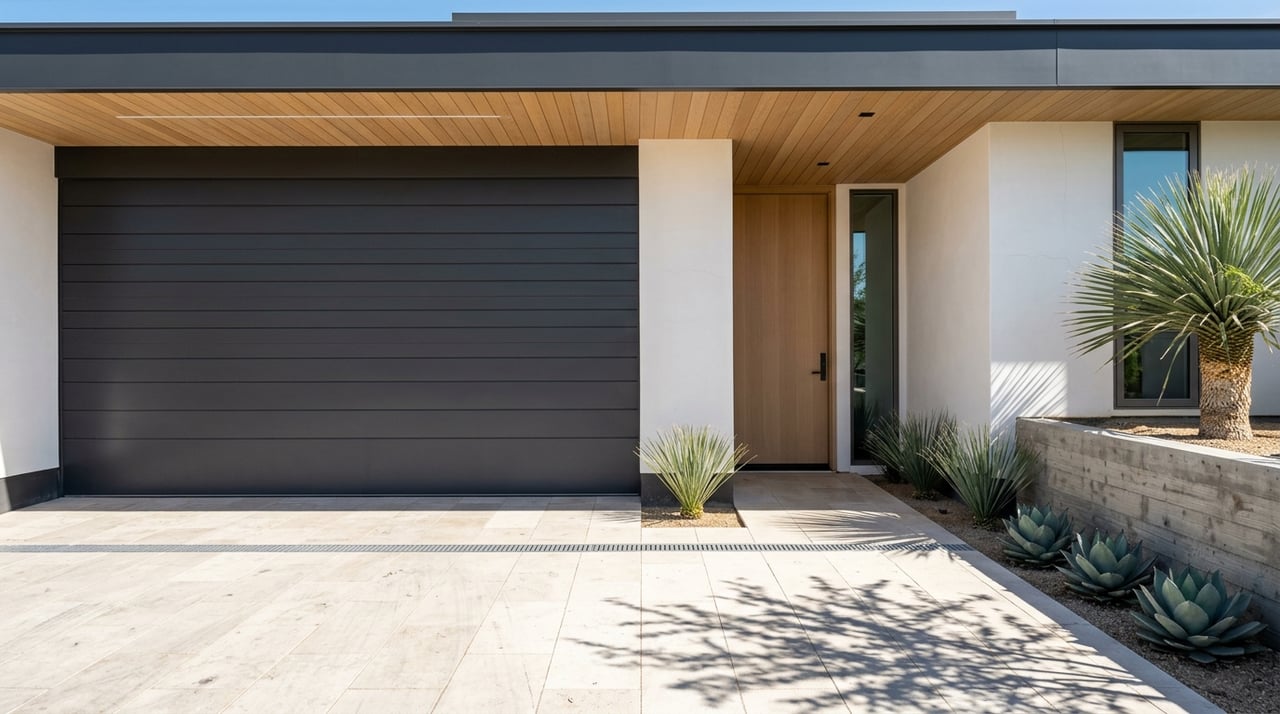
Lock-And-Leave Living In Old Town La Quinta
May 21, 2026
If you want a second home that feels effortless, Old Town La Quinta deserves a closer look. The appeal is easy to understand: a compact village setting, a concentrated mix of daily conveniences, and a lifestyle that can support shorter stays without making every visit feel like a maintenance project. If you are weighing a seasonal purchase or a part-time desert base, this guide will help you focus on the details that matter most before you buy. Let’s dive in.
Old Town La Quinta is the city’s Main Street and gathering place, with more than 30 cafes, shops, boutiques, salons, and services gathered in a village setting at the base of the Santa Rosa Mountains. For lock-and-leave buyers, that concentration matters. It can mean fewer errands, less driving, and a simpler day-to-day routine when you are in town.
That convenience also fits the city’s broader pattern. La Quinta identifies a large winter and spring seasonal population, and the Old Town Village area is a recognized retail and dining draw. If your goal is a home that supports part-time living with less friction, Old Town naturally enters the conversation.
A lock-and-leave property is not just a home you can close up and walk away from. It is a home where upkeep, access, storage, and day-to-day responsibilities are manageable even when you are gone for stretches of time. That usually comes down to the details hidden behind the marketing language.
In Old Town La Quinta, the strongest lock-and-leave candidates are often the homes where maintenance duties are clearly defined and daily logistics are easy to navigate. You want to know who handles what, how parking works, what storage is available, and whether the property can function smoothly when you are not on site.
Condos and townhomes are often the most straightforward option for buyers seeking lower-maintenance ownership. In California common-interest developments, associations generally handle common-area maintenance, while you remain responsible for your unit and any exclusive-use areas unless the governing documents say otherwise.
That is why the documents matter so much. Two homes may look equally turnkey, but the actual maintenance split can be very different depending on the association’s rules. Before you buy, review the CC&Rs, budget, reserve study, and any maintenance responsibility chart available.
A single-family home can also work well, especially if you want more privacy, a yard, or a detached casita. But this option usually requires more diligence because exterior upkeep and operational details may remain your responsibility unless an HOA takes on part of that burden.
If a property includes a casita, guest house, or bonus space, verify exactly what it is. In La Quinta, permit history matters, especially after the city updated its accessory dwelling unit regulations in 2023. A casita may be a legal ADU, a guest space, or simply bonus area, and those distinctions can affect use, maintenance, and planning.
A property is only as easy to leave as it is easy to maintain. La Quinta’s code places clear emphasis on visible exterior upkeep, including landscaped front and exterior side yards that must be maintained in a healthy and viable condition. Required landscaped areas must also have irrigation.
For a seasonal owner, that raises a simple but important question: who is handling those recurring tasks while you are away? If the property depends on regular landscape care, irrigation oversight, and exterior attention, make sure that support is already built into your ownership plan.
Trash and parking rules also deserve more attention than many buyers expect. The city says trash containers may be placed out no sooner than 24 hours before collection and must be removed within 12 hours after pickup. If you are gone often, you will want a practical solution for routine tasks that still need to happen on schedule.
In a true lock-and-leave purchase, HOA review is not a formality. It is one of the most important parts of your diligence. California associations can vary widely in how they assign maintenance responsibilities, enforce rules, and fund future repairs.
That is where the reserve study becomes especially useful. The California Department of Real Estate notes that reserve studies help estimate long-term repair and replacement costs for major common-area components. For you as a buyer, that can offer a clearer picture of whether an association is planning responsibly for future expenses.
Focus on a few core documents first:
These documents help you determine whether a home is genuinely low-maintenance or simply presented that way in the listing.
Parking is not a side issue in Old Town La Quinta. In May 2026, the city launched a Village Parking Experience Survey covering parking, signage, accessibility, and overall access in Old Town, the Village, and nearby areas. That makes parking a current diligence point, especially if you expect to use the home seasonally.
You should look beyond the listing photos and ask practical questions. Is there enough covered parking for how you live? Is guest parking available? Is there space for bikes, golf gear, luggage, or seasonal items without overtaking the living areas?
La Quinta also has rules that affect long absences. Vehicles may be parked on the street or in public view for only 72 consecutive hours, and the city says residences must include a covered area for parking vehicles. Garage count and usable garage space can matter more than buyers initially assume.
If you are considering adding storage, review both city rules and HOA restrictions. The city notes that detached storage sheds under 120 square feet can be permit-exempt, but they still must meet setback requirements. Some small patio covers may also be permit-exempt while still requiring HOA approval if the property is in an association.
One reason Old Town La Quinta fits the lock-and-leave conversation so well is walkability tied to actual amenities. The city describes Old Town as a Main Street destination with a dense mix of cafes, boutiques, salons, and services. That can support a more walk-oriented routine than a typical suburban setting.
Still, walkability should be evaluated alongside access, not instead of it. Visitor traffic, dining peaks, and event days can affect parking and circulation. The right property is the one that balances village convenience with a parking and storage setup that still works for your real-life routine.
Before choosing a lock-and-leave property in Old Town La Quinta, make sure you can answer these questions clearly:
These are the details that separate a genuinely easy second home from one that still demands regular attention.
The best lock-and-leave home is not always the one with the fewest square feet or the newest finishes. It is the one where ownership responsibilities are predictable, practical, and aligned with the way you actually live. In Old Town La Quinta, that often means balancing convenience, maintenance, parking, and document review with the lifestyle appeal that brought you here in the first place.
If you are considering a purchase in this part of La Quinta, a careful review of the property’s rules, upkeep demands, and access realities can save you time and frustration later. That kind of diligence is especially important in a market where lifestyle is part of the value proposition.
If you want a measured, discreet perspective on which Old Town properties truly support lock-and-leave living, Robert Andrew Millar & Associates can help you evaluate the details with clarity and confidence.
Stay up to date on the latest real estate trends.

The team is a leader with extensive experience advising executives and other high-profile clients regarding complex legal transactions.