Bob Hope Desert Classic history abounds on La Quinta Country Club tour
- DESERT SUN
- February 21, 2026
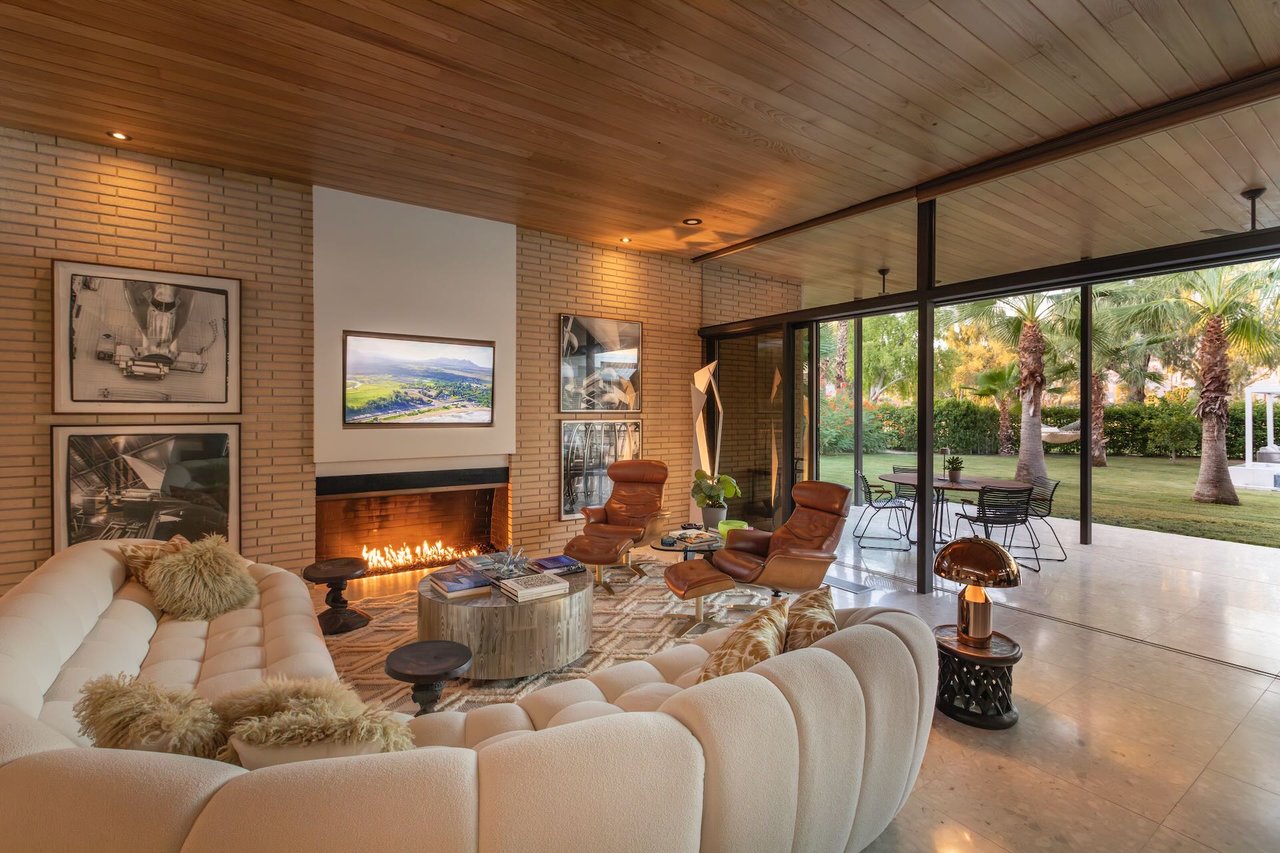
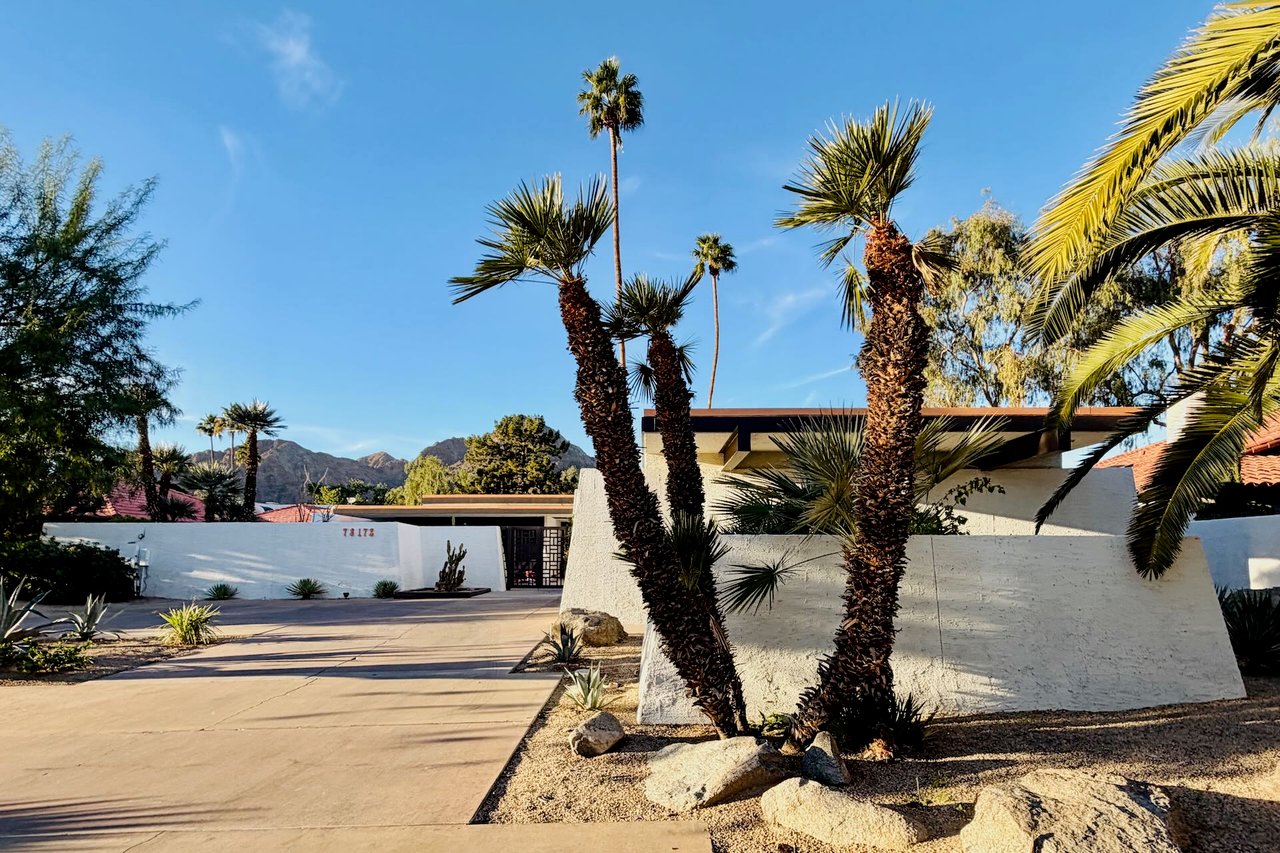
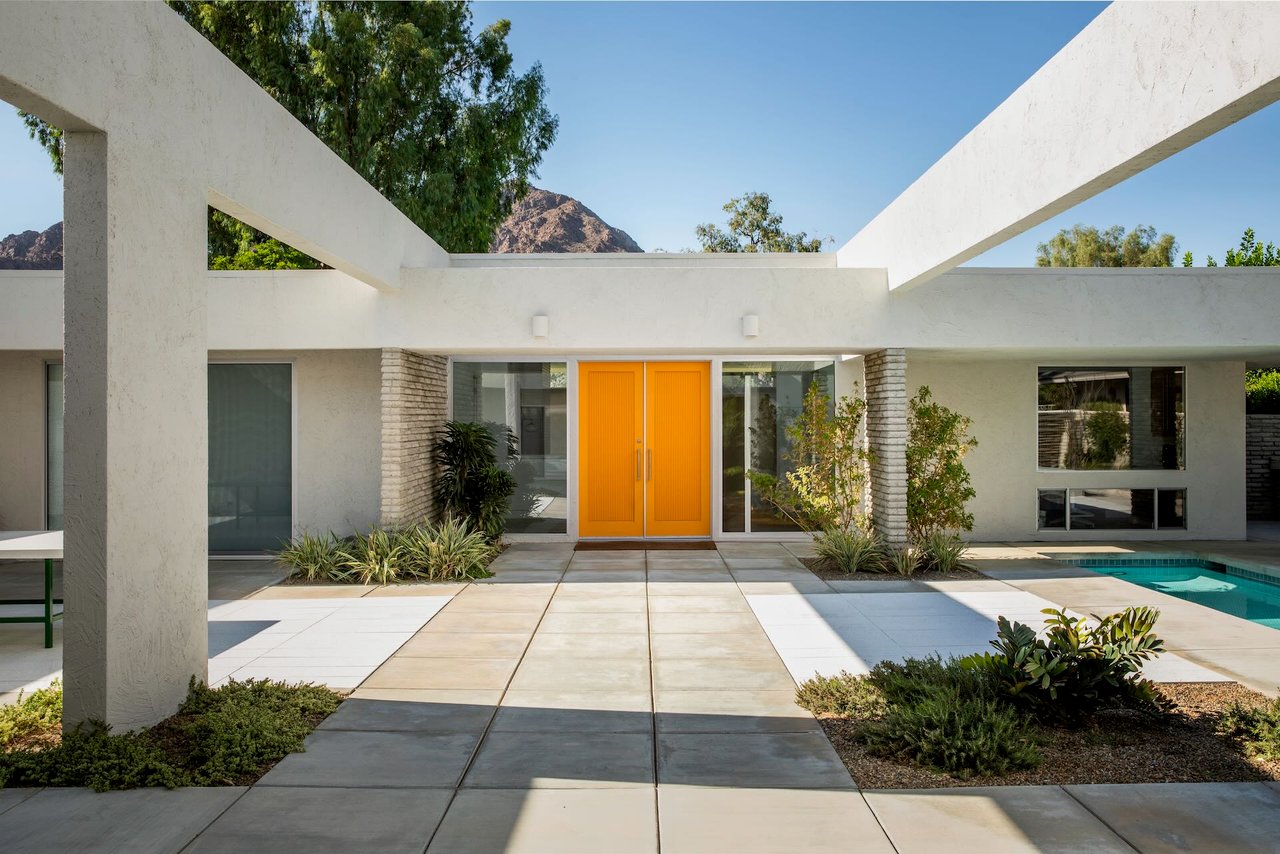
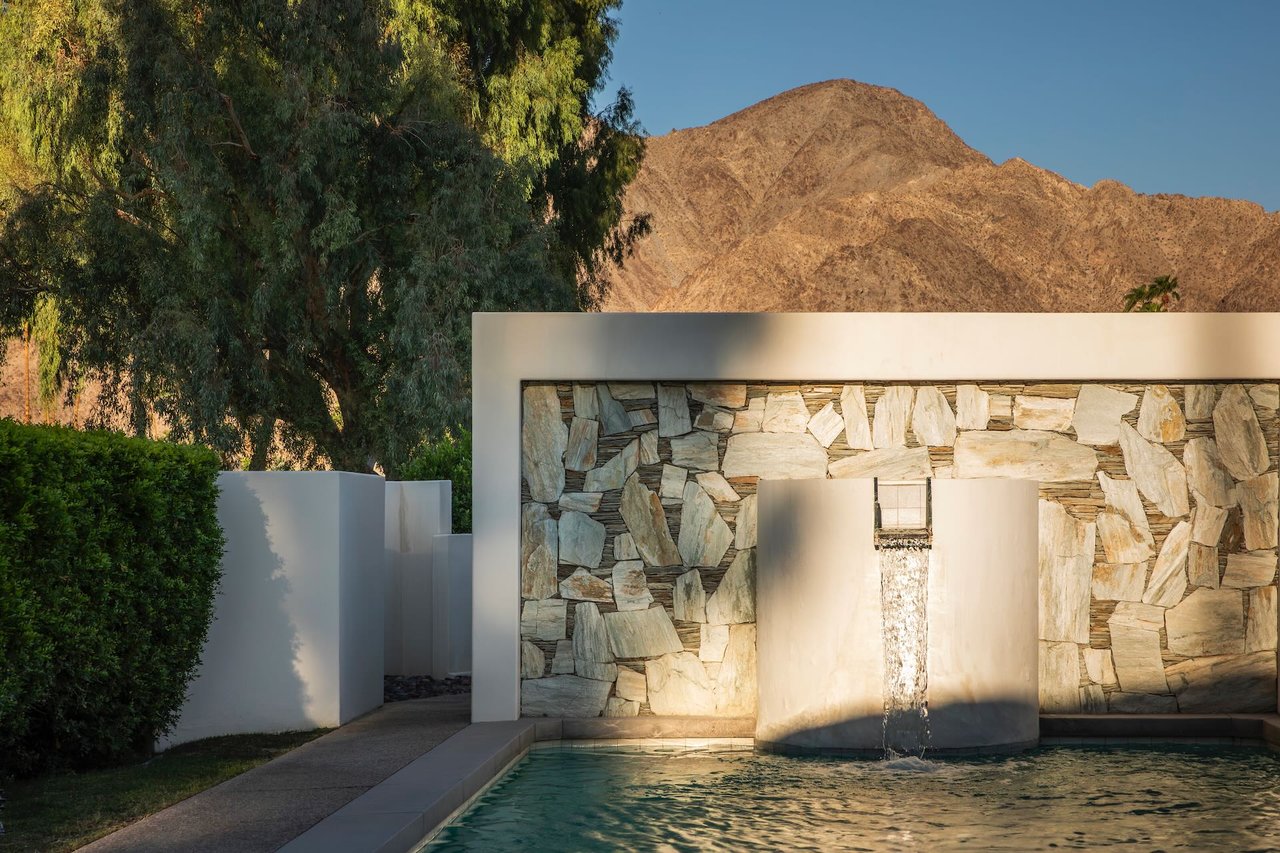
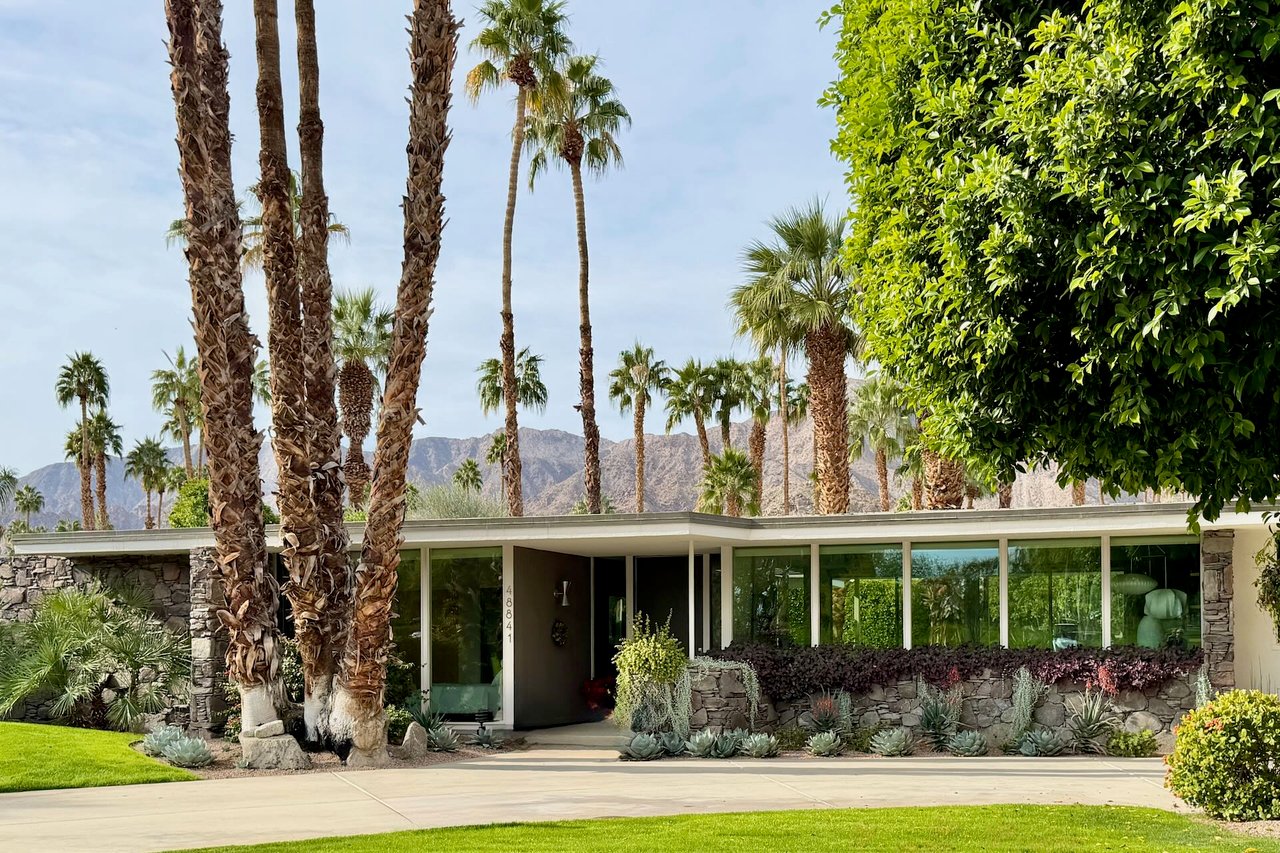
Modernism Week showcased La Quinta Country Club homes for the first time this year, featuring six properties built between 1959 and 2023. Read more
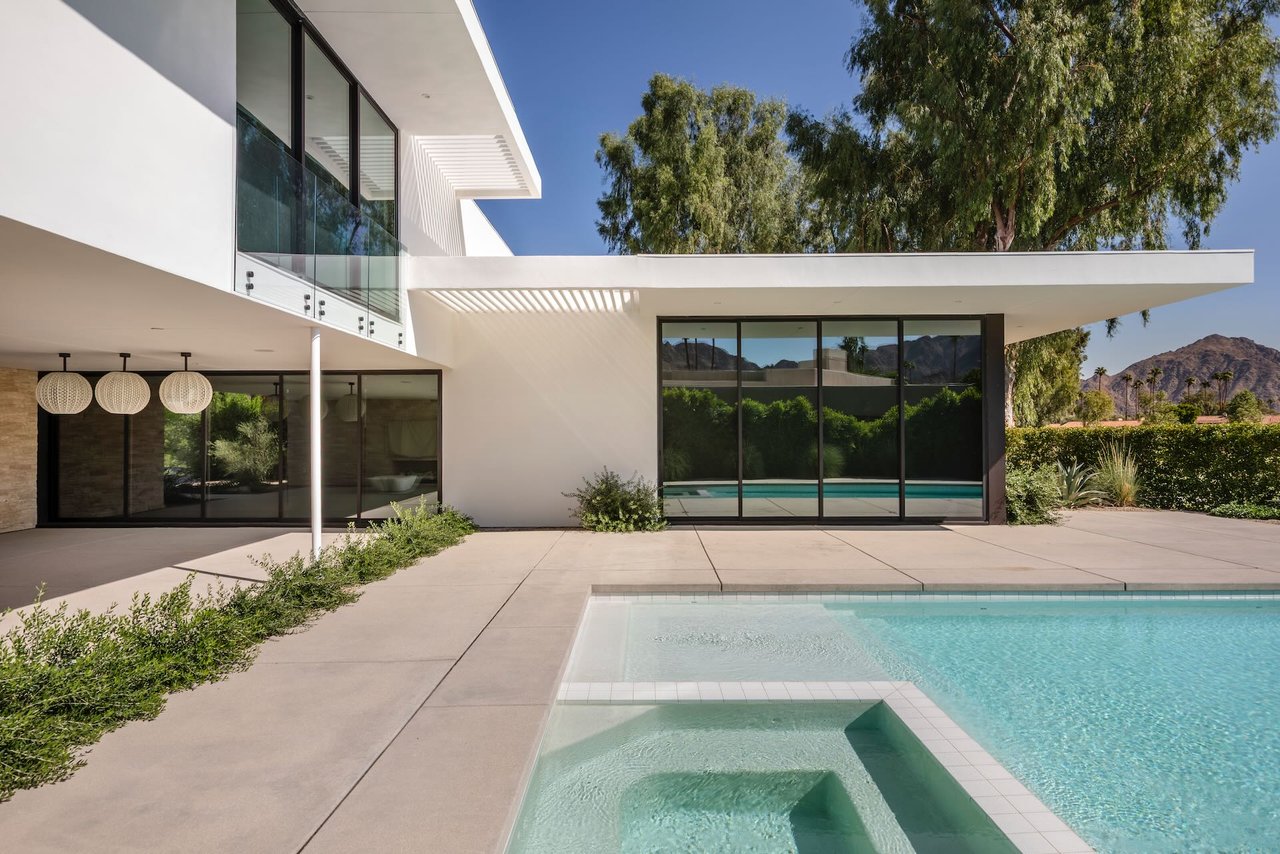
A landmark first: Modernism Week’s inaugural curated home tour inside The La Quinta Country Club.
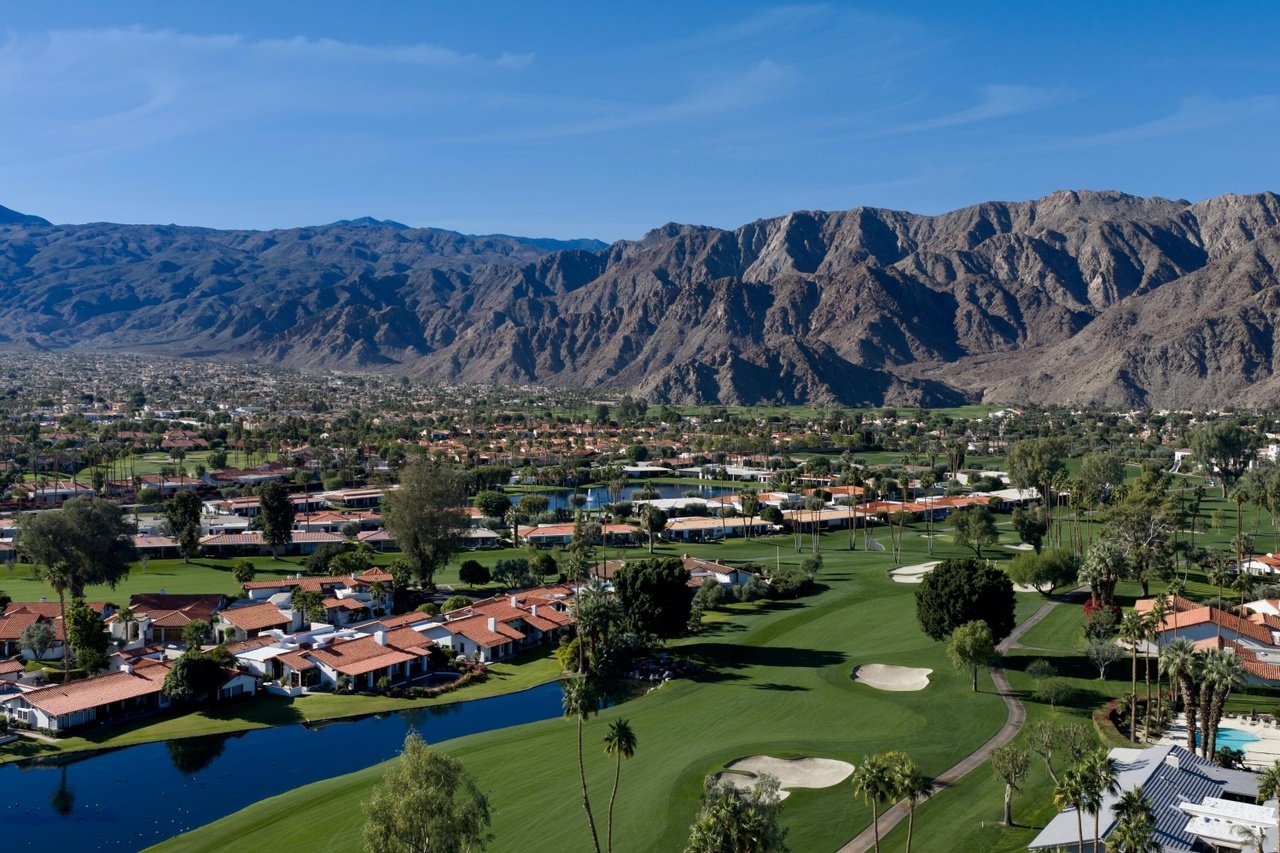
Event Overview
SOLD OUT
The 2026 La Quinta Country Club Home Tour marks the first time Modernism Week has presented a curated program within this private community.
Led by organizer Robert Andrew Millar, the one-day experience offers guided access to six privately owned residences, most dating to the late 1950s and 1960s—an era when La Quinta emerged as a refined desert retreat anchored by the country club.
The program blends architectural education with community hospitality, inviting guests to explore how modernist design responded to climate, leisure, and evolving notions of desert living.
The 2026 program concludes with remarks from Matt Tyrnauer, acclaimed American film director and journalist. His insights offer a broader lens through which to consider modernism’s lasting impact.
Press
Modernism Week showcased La Quinta Country Club homes for the first time this year, featuring six properties built between 1959 and 2023. Read more
Press
Read more
Press
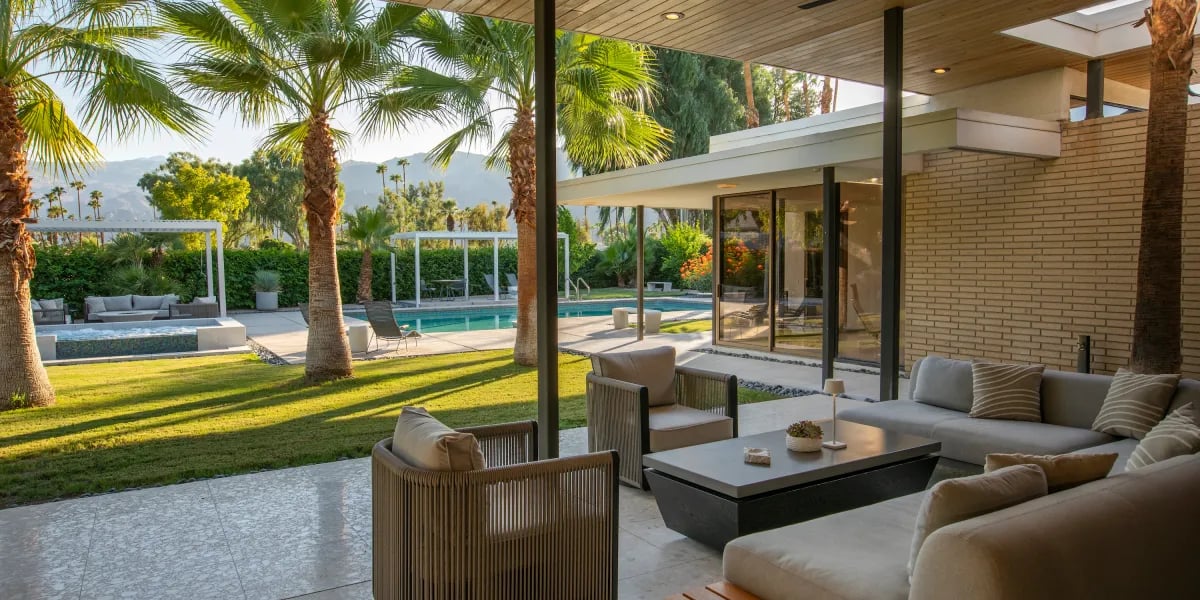
Palm Springs is synonymous with mid-century modern architecture, but this year’s Modernism Week is taking visitors about 20 miles southeast to the quieter corner of the Coachella Valley. ... Read more
Press
For decades, the story of Desert Modernism in the Coachella Valley has been told largely through Palm Springs. Its mid-century neighborhoods, iconic boutiques, and sun-drenched streets ar... Read more
Press
Each February, Modernism Week brings architecture enthusiasts to the Coachella Valley to explore the region’s legacy of mid-century design. While Palm Springs often defines the public ima... Read more
Press
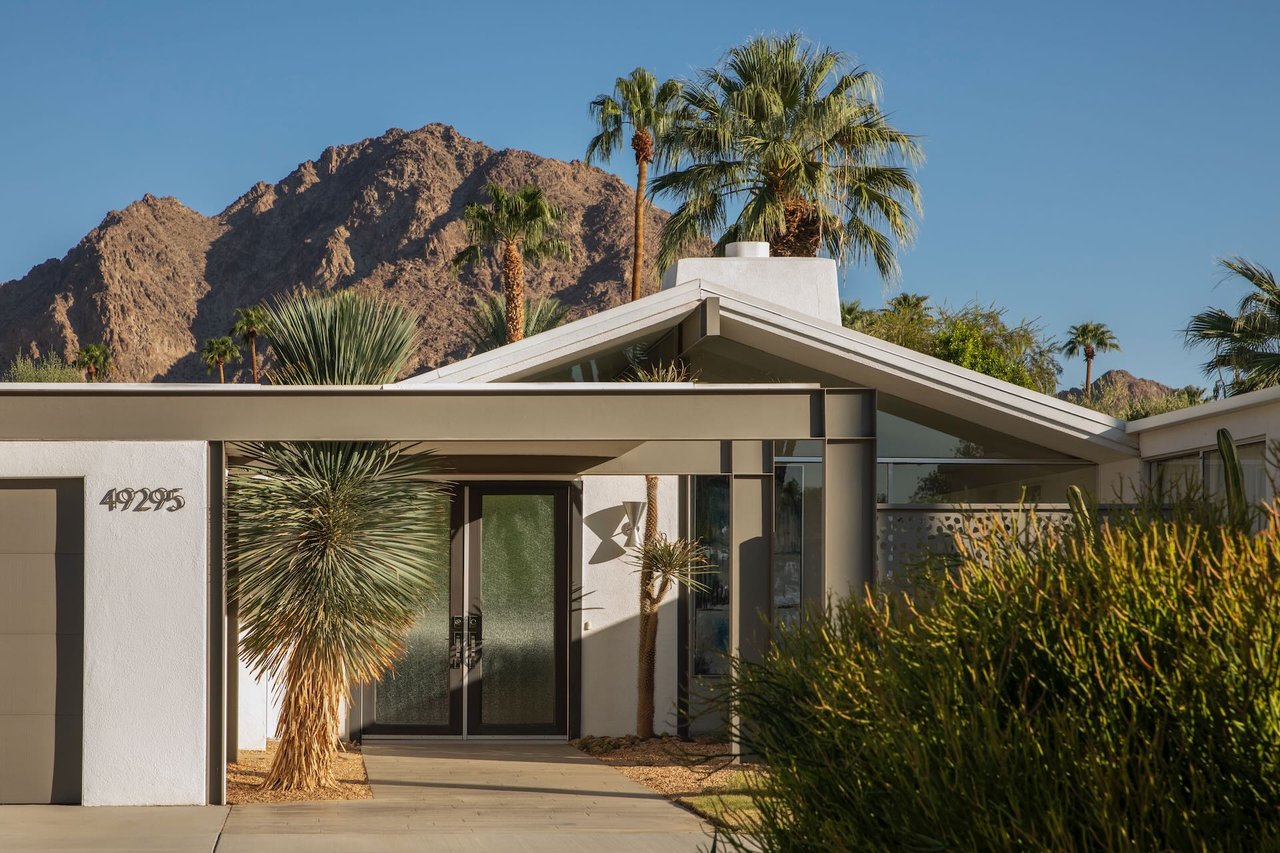
A rare look behind the gates of La Quinta Country Club, where a century of architectural heritage has quietly written a remarkable chapter in the desert’s design story. Read more
Press

Robert Andrew Millar & Associates founder Robert Andrew Millar has announced his volunteer role as organizer for Modernism Week's inaugural La Quinta program, set for February 19, 2026. A... Read more
