Modern Desert Home Styles Emerging Around Coachella
July 2, 2026
July 2, 2026
Curious why so many new homes around Coachella feel cleaner-lined, more indoor-outdoor, and more connected to the desert itself? That shift is not just about taste. It reflects how buyers want to live, how builders respond to extreme heat and low rainfall, and how local planning policies are shaping what gets built next. If you are watching the market or thinking about buying or selling in the area, understanding these design trends can help you read value, lifestyle, and long-term appeal more clearly. Let’s dive in.
Coachella sits in California’s Inland Deserts region, where extreme heat is a defining condition. State climate guidance describes the area as having a high frequency of days above 95°F, with historical precipitation averaging about 5 inches per year. Hotter and drier conditions are also expected to intensify over time.
That climate reality shows up directly in local planning. The City of Coachella calls for climate-appropriate design, durable materials, and architectural diversity tied to the region’s Southern California and Desert Southwest heritage. The city also promotes building types that respond to the arid environment, including courtyard housing that can help create usable microclimates.
In simple terms, homes here are being shaped to do more than look good. They are being designed to manage sun, shade, privacy, water use, and year-round comfort in a smarter way.
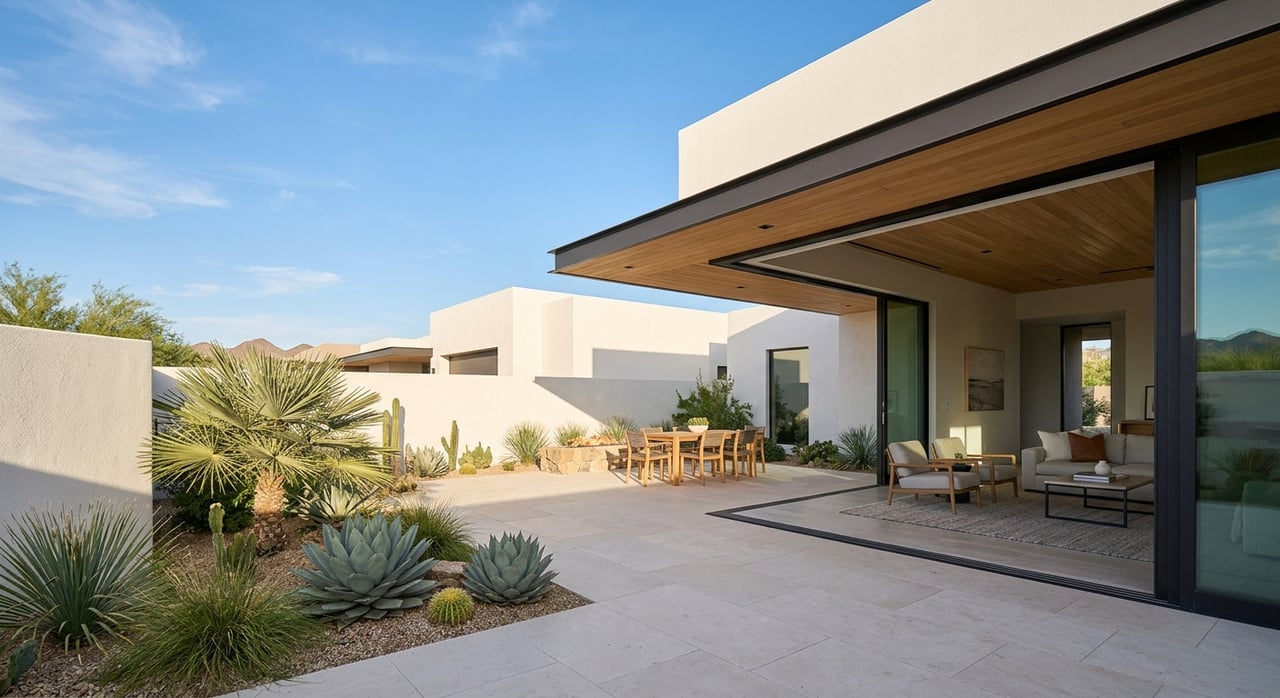
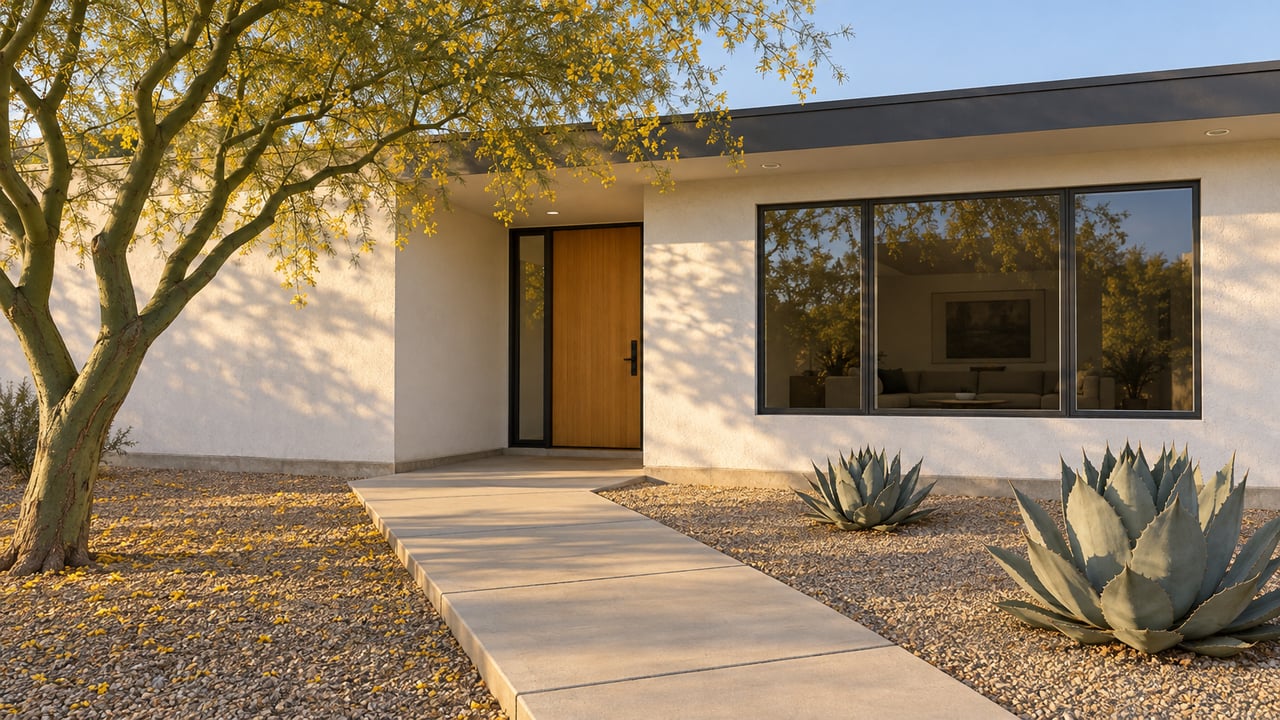
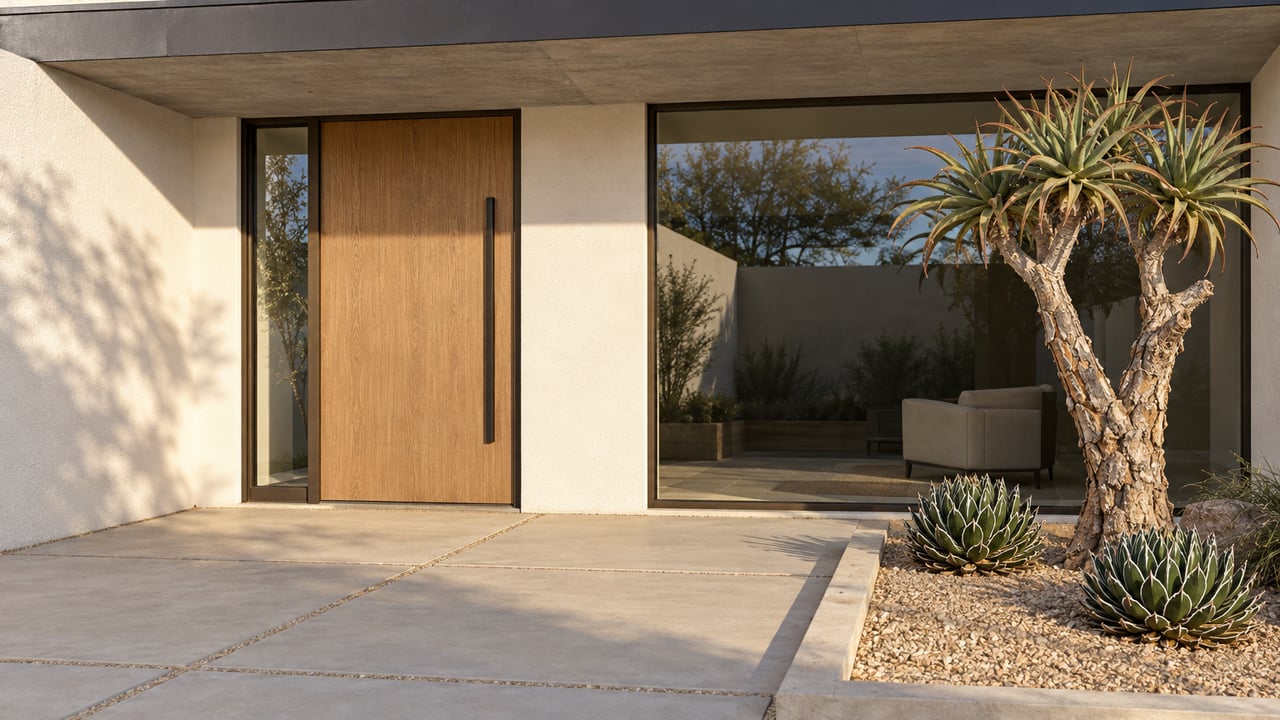
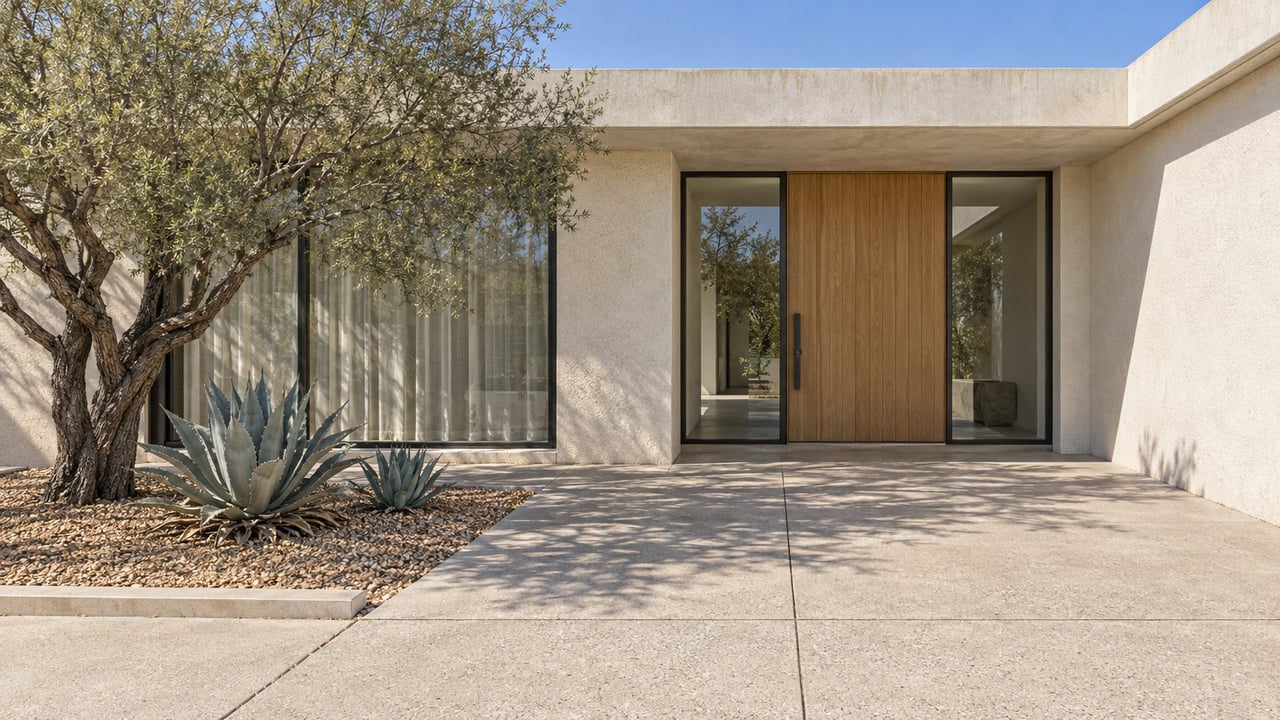
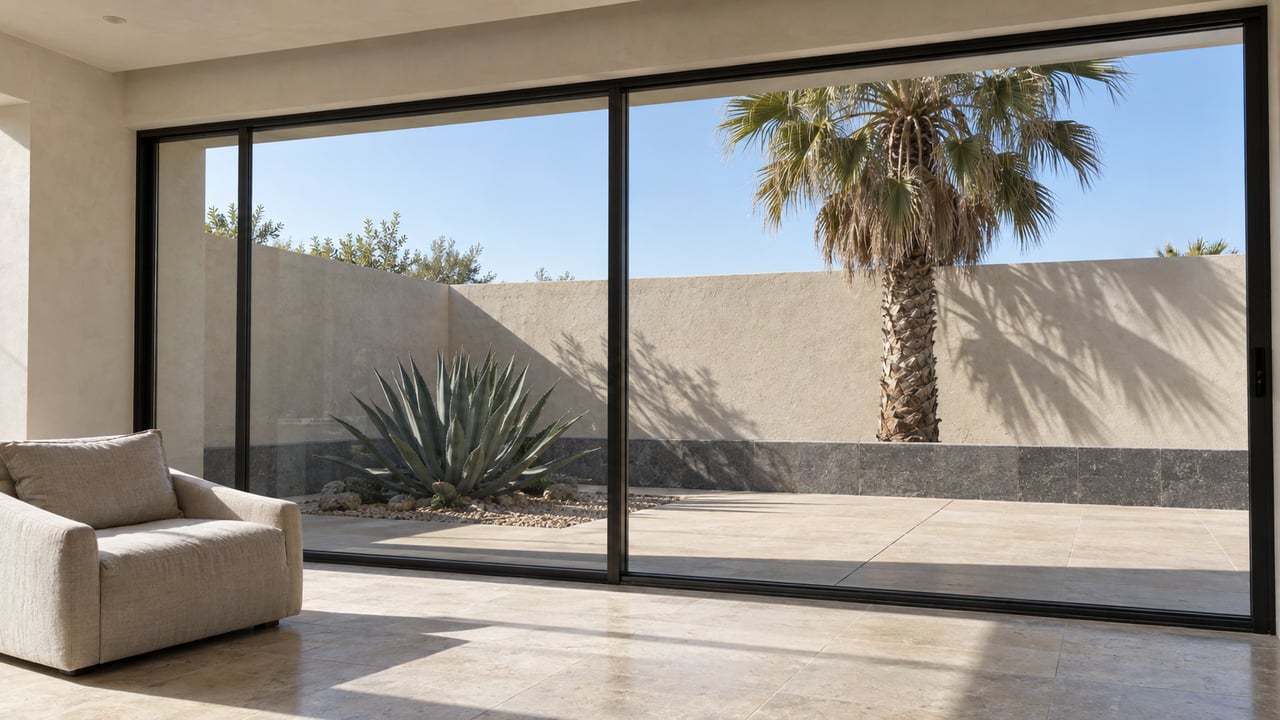
One of the clearest styles emerging around Coachella is desert modern. You will often see low profiles, clean lines, broad glass openings, and a restrained materials palette that feels calm rather than ornate. The look is contemporary, but the logic behind it is practical.
Riverside County design standards support many of the features that define this style. These include articulated facades, recessed windows, covered porches, trellises, overhangs, and offset roof planes that create shadow and reduce visual bulk. The standards also recognize flat-roof contemporary design while allowing coordinated variation in roof forms.
That matters because desert modern in Coachella is not just an aesthetic preference. It lines up with local expectations for climate response, durability, and a more refined relationship between home and landscape.
A home often reads as desert modern when several features work together:
The result is usually a home that feels open without being exposed. In a desert setting, that balance is a major part of the appeal.
Not every emerging home around Coachella is fully modern in expression. A second pattern is what many buyers would recognize as an updated ranch. This is less a formal city label and more a visual outcome of county design guidance.
The county encourages at least one single-story floor plan in larger residential projects and supports varied roof planes, covered porches, thoughtful setbacks, and garage placement that reduces street dominance where possible. Together, those choices tend to produce low-slung homes with a horizontal profile and a more relaxed, contemporary-ranch character.
For buyers, this style can offer a comfortable middle ground. It often feels familiar and approachable, while still delivering the shade, indoor-outdoor flow, and climate-conscious design that fit the Coachella environment.
If there is one design idea especially well suited to Coachella, it may be the courtyard home. The city’s general-plan language explicitly supports courtyard housing because it can create year-round microclimates and reduce the need for mechanically cooled space.
That is a big deal in a place defined by heat. A well-positioned courtyard can provide a more sheltered outdoor room, improve privacy, and make it easier to enjoy morning and evening time outside. It can also help organize the home inward, which suits buyers who value both openness and discretion.
Courtyard-centered design works well here for several reasons:
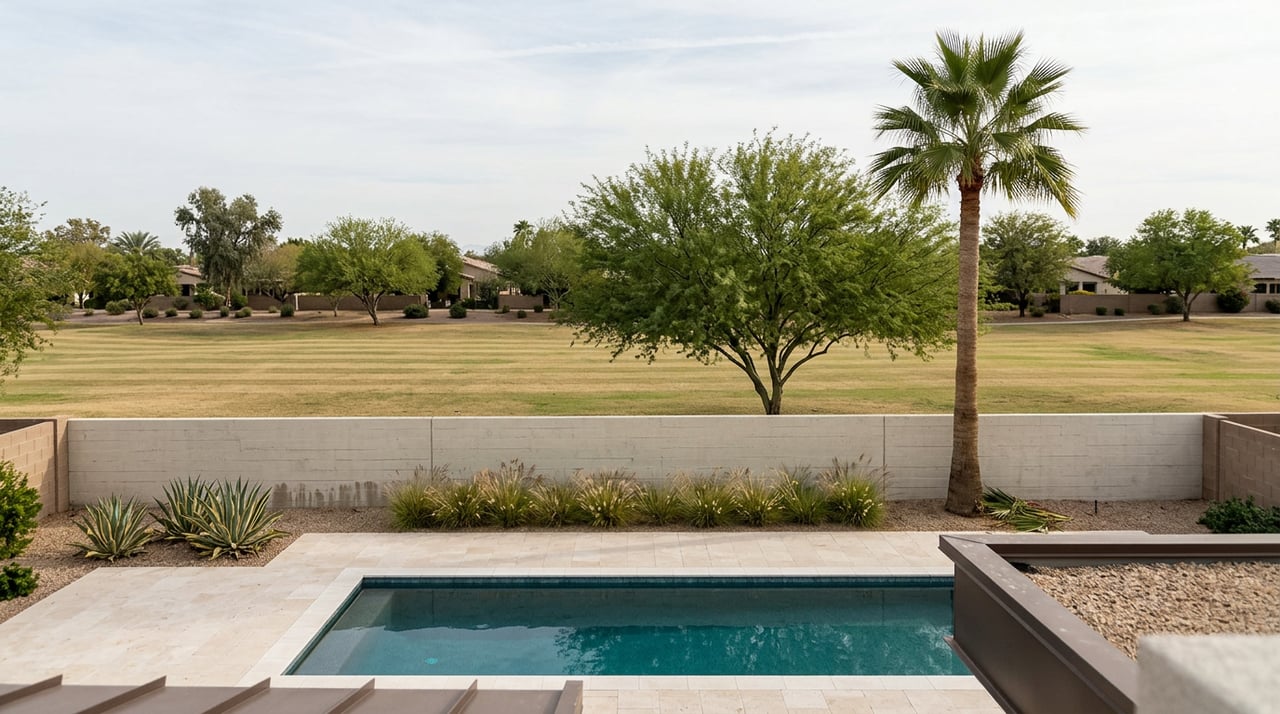
In practice, this may show up as a front entry court, a side garden, or a private pool-oriented outdoor room. However it is arranged, the courtyard is becoming one of the clearest signatures of modern desert living around Coachella.
Across several emerging home styles, one theme keeps repeating: indoor-outdoor living is no longer optional design flair. It has become part of how homes are expected to function in the desert.
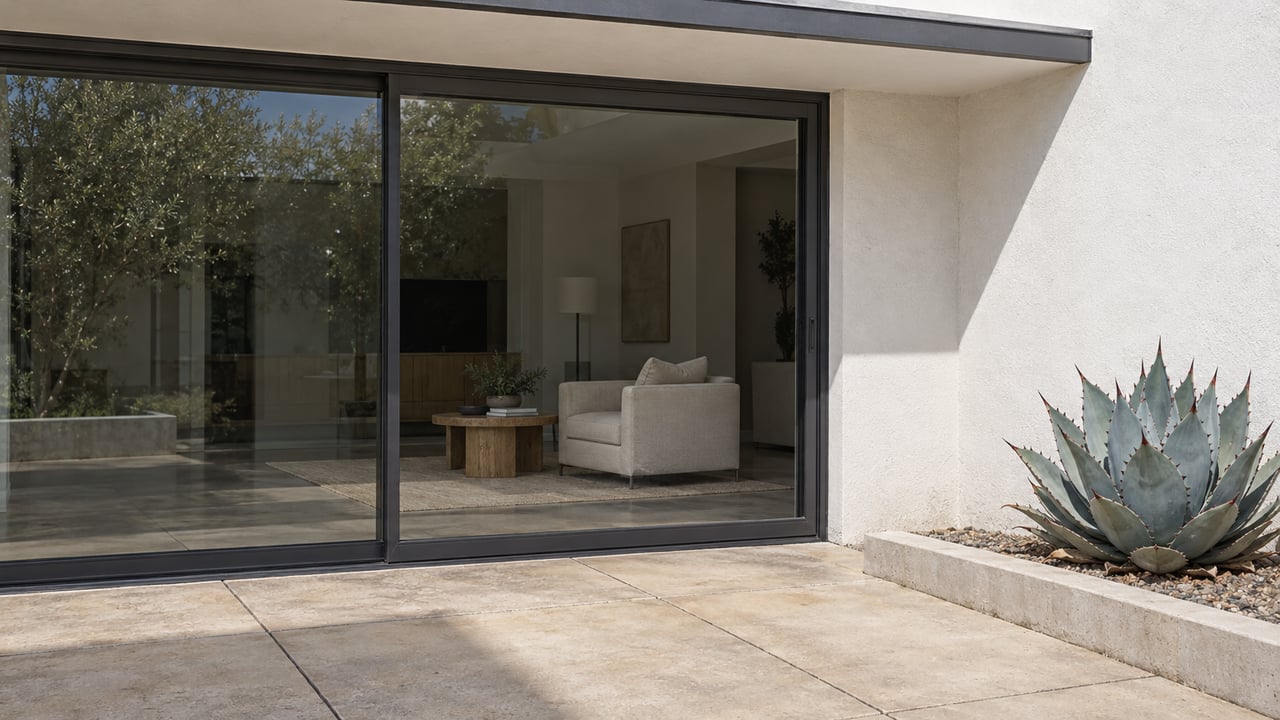
Regional design examples from the Coachella Valley highlight one-story homes with private courtyards, floor-to-ceiling glass, shaded terraces, and outdoor features that extend daily living beyond the interior. The point is not just visual drama. It is to create a home that feels larger, calmer, and more usable across seasons.
For many buyers, this translates into spaces that prioritize controlled comfort. Think shaded entries, outdoor dining areas, broad openings to patios, and landscapes that look polished without demanding heavy water use.
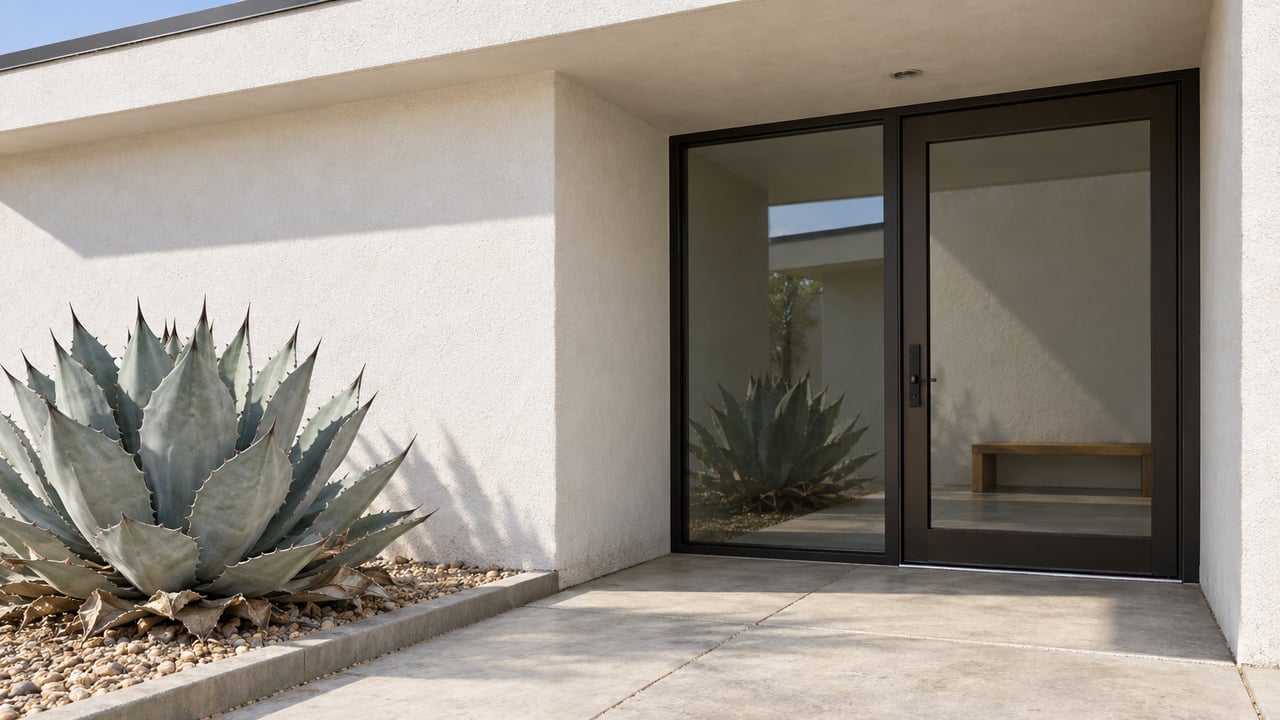
In Coachella, landscaping is not an afterthought. It is part of how a property performs. Local water guidance from Coachella Valley Water District emphasizes drought, water-waste reduction, turf removal incentives, smart irrigation, and avoiding spray-irrigated landscape beds.
Riverside County design standards reinforce that direction with drought-tolerant landscape materials, water-efficient irrigation, shade-oriented planting, decorative gravels, and front-yard landscaping expectations. County desert guidance also discourages certain perimeter wall conditions in favor of setbacks, planting, berms, and lighter fencing treatments.
This means the strongest new home designs often treat the yard as a climate tool. Shade trees or planting placement can soften heat. Low-water materials reduce maintenance pressure. Smart irrigation helps preserve the finished look while using water more carefully.
As newer homes and communities take shape, you may see:
These choices support both aesthetics and practicality, which is part of why they are becoming more common.
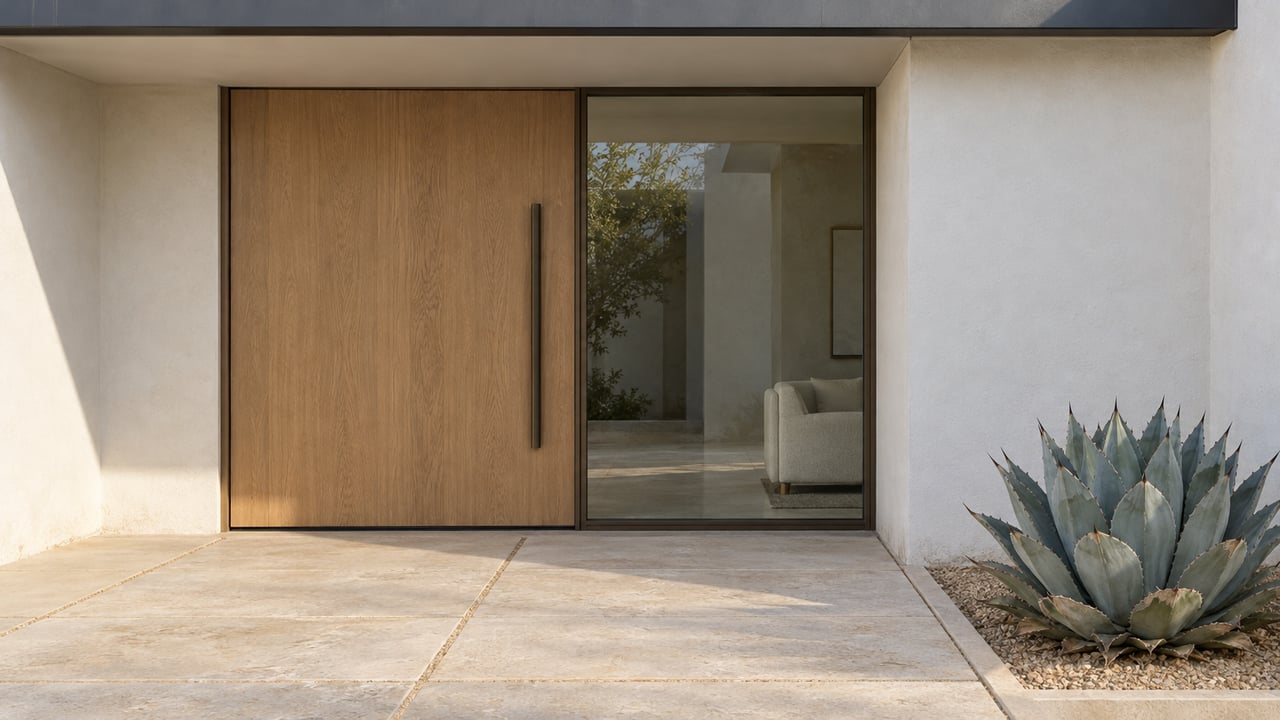
The City of Coachella encourages high-quality, long-lasting building materials and architecture that responds to climate and local history. County standards also emphasize varied colors and textures, coordinated design features, and edge treatments that break up mass while creating useful shadow.
You can see the effect in homes that favor simpler palettes and more deliberate detailing. Rather than relying on ornament, these homes often use proportion, texture, and light to create interest. Rooflines, overhangs, recessed openings, and wall depth do much of the work.
Energy-minded features are also part of the local baseline. Coachella’s pre-approved ADU program includes Desert Modern options and references solar systems on certain plans as well as cool-roof compliance. County guidance likewise encourages consideration of solar heating and cooling equipment, afternoon shade, prevailing winds, and summer heat during project review.
Even as desert modern gains visibility, Coachella is not becoming a one-style market. The city’s ADU program includes Desert Modern, Spanish Colonial, and Mission Revival plan options. County guidance also makes clear that one single style is not required, as long as materials and design features are coordinated.
That flexibility is important for buyers and sellers alike. It means a home does not need a flat roof to feel current or marketable. What matters more is whether the design responds well to the desert, uses materials thoughtfully, and delivers a cohesive living experience.
For sellers, that is a useful lens. Homes that read as climate-aware, well-composed, and easy to live in may align more naturally with what today’s Coachella buyers are noticing.
Large planned communities are likely to have an outsized effect on the area’s future housing look. City documents describe several major specific-plan areas, including La Entrada, KPC Coachella, Vista Del Agua, Brandenburg Butters, and Coachella Vineyards.
Because of their scale, these projects are where design preferences can show up repeatedly rather than one home at a time. That makes them important to watch if you want to understand where the market’s visual language is headed.
Coachella’s rail-station planning also points toward higher-density residential forms in future growth areas. Draft station-area materials reference courtyard buildings, townhouse courts, wrap buildings, and podium buildings. These are more urban in form than detached homes, but they reflect the same larger push toward outdoor-oriented, climate-adapted design.
If you are buying around Coachella, these emerging styles can help you evaluate more than appearance. A home with shade-conscious design, durable materials, efficient landscaping, and protected outdoor rooms may offer a more comfortable day-to-day experience in this climate.
If you are selling, understanding this design vocabulary can help you position your home more effectively. Features like low horizontal lines, courtyard spaces, recessed windows, covered patios, water-wise landscaping, and solar-related improvements may connect with what today’s buyers already see as desirable in the desert.
In a market where architecture and lifestyle often intersect, design is not a small detail. It can shape first impressions, usability, and long-term value perception in meaningful ways.
If you are considering a purchase, preparing a sale, or evaluating how architectural style affects market positioning in the Coachella Valley, Robert Andrew Millar & Associates can help you navigate the conversation with discretion, design fluency, and strategic local insight.
Stay up to date on the latest real estate trends.
The team is a leader with extensive experience advising executives and other high-profile clients regarding complex legal transactions.