What the STVR Exemption Actually Buys You at La Quinta Resort Spa Villas
July 23, 2026
July 23, 2026
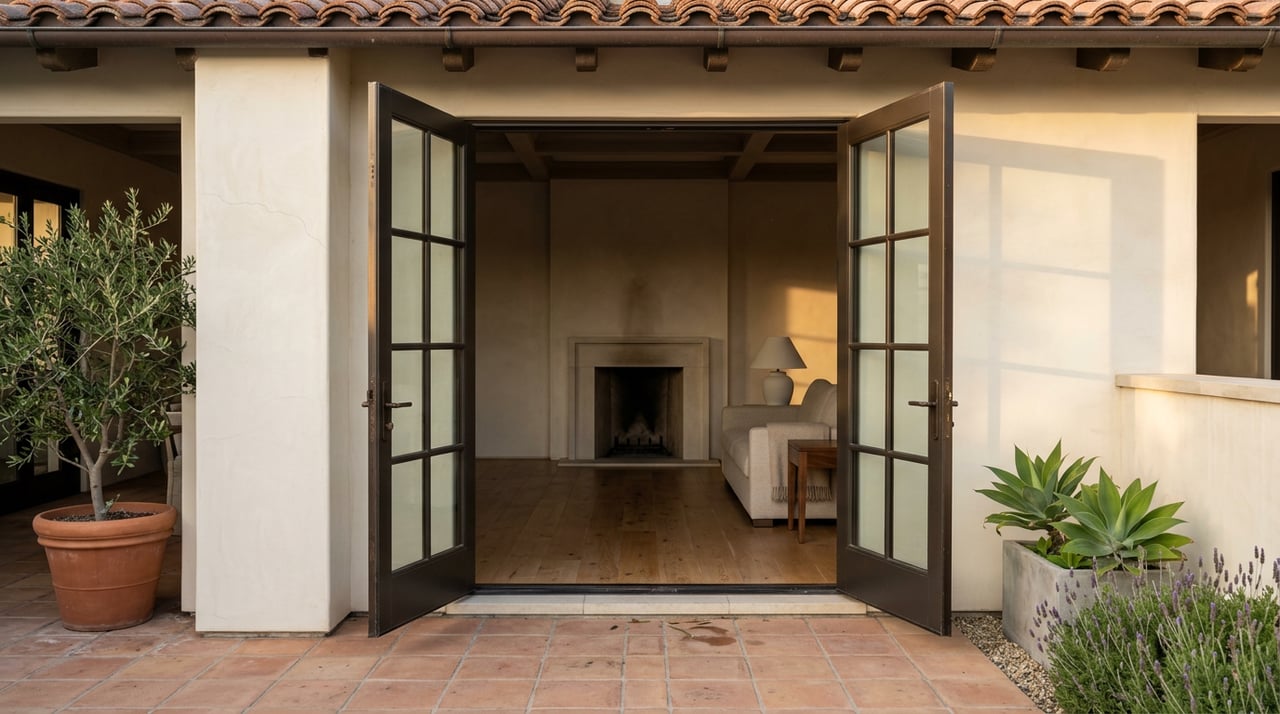
Two neighboring condominium communities in La Quinta can look almost identical from the curb: the same casita massing, the same tile roofs, the same Santa Rosa Mountain backdrop. One can be rented by the night. The other cannot, and never will be able to under current municipal law. The line between them is not architectural. It is a shaded polygon on a city map, and La Quinta Resort Spa Villas sits inside it.
That single fact is what most buyers underweight when they compare Spa Villas to the rest of the resort-adjacent inventory. The exemption is not a permanent premium baked into the price. It is a conditional permit that has to be actively re-earned at closing, and the way it is re-earned is the mechanism that actually explains the community's pricing, its days on market, and the unusual condition in which its units change hands.
Buyers arriving from Los Angeles or Seattle often assume the short-term rental right attaches to the parcel the way an easement does. It does not. The City of La Quinta issues STVR permits to owners, not to properties, and Section 3.25.055 of the La Quinta Municipal Code imposes a permanent ban on new General and Primary permits everywhere in the city except in a small list of exempt residential projects. La Quinta Resort Spa Villas is one of those exempt projects. What that means at the transaction level is subtle: the seller's permit lapses at close, and the buyer has to open a new permit through the city's STVR portal before the first night can be booked.
The exemption is what keeps that door open. Outside the exempt zones, a buyer applying for a new General permit is refused. Inside them, the buyer applies, pays, and receives. The distinction sounds procedural. In practice it is the entire thesis of the community's pricing.
The 2024 code update preserved two side doors to the citywide ban. Homeshare permits, which require the owner to be on site during the guest's stay, remain available anywhere. Large Lot Qualified and Certified parcels of 25,000 square feet or more may petition the Council for exemption under Section 3.25.057. Neither of those helps a Spa Villas buyer who wants to rent the unit while spending winters elsewhere. The relevant permit categories, and their current annual fees, are:
For a Spa Villas buyer whose intent is unhosted seasonal or nightly rental, the General permit is the only relevant category, and the exemption is what makes that category available at all.
The market signals at Spa Villas do not read like ordinary condo signals. The community is small, roughly 99 units built between 1999 and 2001, ranging from 934 to 2,409 square feet. Sale prices sit between about $580,000 and $1,350,000, with a community average near $990,000 and average time to an accepted offer around 123 days. Roughly 97 percent of sales close furnished.
| Metric | Spa Villas, mid-2026 |
|---|---|
| Unit count | ~99 |
| Size range | 934–2,409 sq ft |
| Price range | $580K–$1.35M |
| Community average | ~$990K |
| Days to accepted offer | ~123 |
| Furnished at close | ~97% |
Read those numbers in isolation and the community looks slow. Read them through the exemption and a different picture emerges. Days on market is long because the buyer pool is narrow and specific: a purchaser who wants nightly rental income, participation in the hotel's rental management program, and turnkey inventory ready to book the week after close. That buyer is not shopping on price per foot. They are shopping on cash flow, and they will pay for the correct unit while walking away from the wrong one. Slow is a function of matching, not weakness.
Furniture, linens, kitchenware, and audiovisual equipment are not sentimental inclusions at Spa Villas. They are the operating assets of the rental business the buyer is stepping into. Removing them would require the new owner to re-source everything before the unit could re-enter the hotel's rental pool, and every dark night on the reservation calendar is a real cost. The 97 percent furnished figure is the market pricing that friction into the deal.
For sellers, the practical consequence is that inventory schedules become part of the purchase agreement. For buyers, it means the diligence period covers not just the physical condition of the unit but the age and condition of every replaceable asset inside it, along with the rental management contract that governs how those assets are used.
The exemption clears the city layer. Two other layers remain, and both have to be verified in writing before an offer is comfortable.
Any one of those three layers can undo the exemption in practice. All three have to align.
The transient occupancy tax is 10 percent, applied to stays under 30 days. It is remitted through the city's online portal, and a seller who has been quietly under-remitting can trigger a compliance review that lands in the buyer's lap after close.
The city issues permits to owners, not parcels. What transfers at close is the eligibility, not the permit itself, and eligibility has to be re-established every time.
Escrow is the natural point to surface that reset. Ask the escrow officer to obtain, from the city, written confirmation of permit status, TOT account balance, and any open code enforcement matters keyed to the address. Ask the seller for the last two calendar years of rental income statements from the management program. Match one against the other. Discrepancies between what the seller has reported to the city and what the management company shows as gross bookings are the single most common late-stage surprise in this sub-market.
Does the seller's STVR permit number transfer to me at close? No. The permit is issued to the owner. The buyer applies for a new permit after recording, using the seller's exemption eligibility as the qualifying basis.
Can the HOA at Spa Villas impose a minimum stay longer than the city's rule? Yes. Associations may adopt rental restrictions more restrictive than the municipal code. Confirm current rules in writing before assuming nightly rental is permitted.
What happens if the city redraws the exemption boundaries? Existing permits generally continue under the terms in effect when issued, subject to the code. New permits after a boundary change follow the new rules. This is why current status, verified in the week of the offer, matters more than the community's historical designation.
Is a 30-plus day lease subject to the 10 percent TOT? Stays longer than 30 days are not classified as transient under the current code and are treated differently for tax purposes. Verify the specific structure with the city and, if the lease crosses tax years, with a qualified tax professional.
The exemption at La Quinta Resort Spa Villas is real, and it is durable enough to underwrite a purchase around. It is also more conditional than a spreadsheet comparison of price per foot will show. Reading a listing through the ordinance, the association, and the management contract at the same time is where the decision actually gets made. If you are evaluating a Spa Villas unit and want that reading done with the diligence the transaction deserves, Robert Andrew Millar is available for a confidential consultation.
Stay up to date on the latest real estate trends.



The team is a leader with extensive experience advising executives and other high-profile clients regarding complex legal transactions.