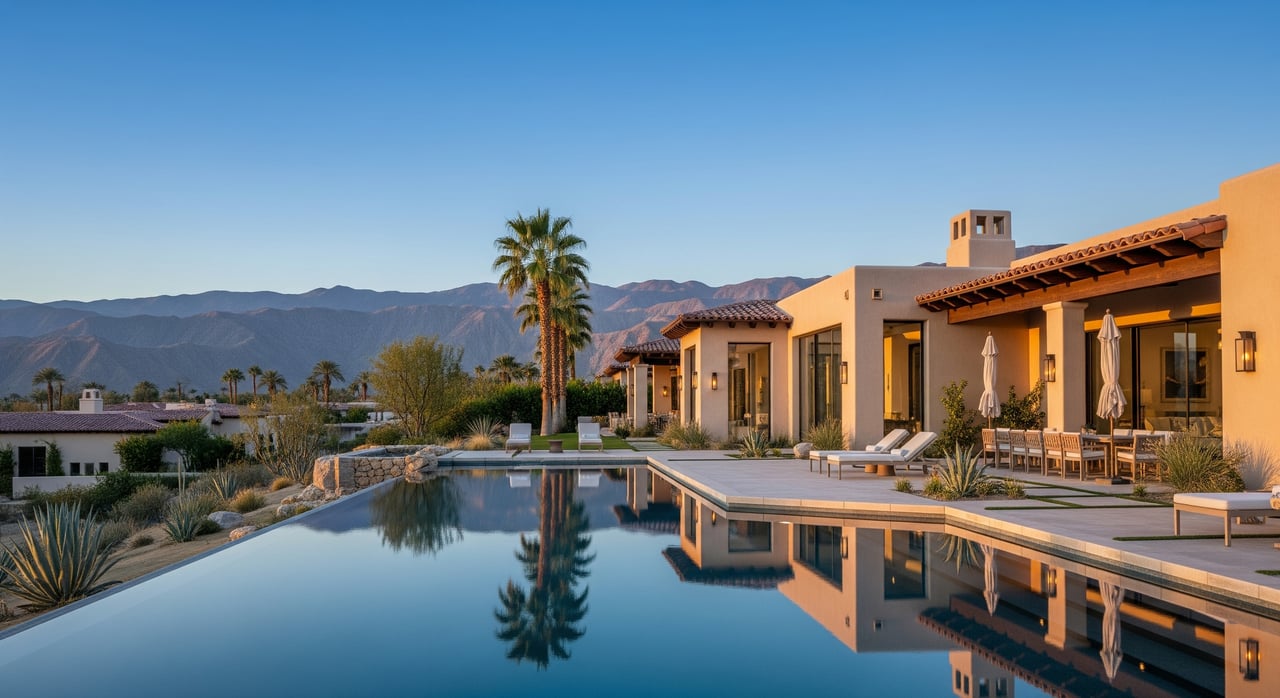
Pricing A Luxury Home In La Quinta
January 15, 2026
January 15, 2026
Not sure how high to price your La Quinta luxury home? You want a strong number that respects your home’s design, views, and privacy without chasing buyers away. In this guide, you will learn how to set a clear, defensible price based on the right comps, seasonal timing, and the unique features buyers value in La Quinta. Let’s dive in.
La Quinta is a collection of distinct luxury sub-markets. Each has its own buyer pool, amenity profile, and comp set. Pricing well starts with defining which micro-market your property truly belongs to.
In club and guard-gated communities, use comps from the same community first. Adjust for membership structures, course quality, guard-gate security, and on-site amenities. Sales from a different club rarely translate one-to-one.
Resort-attached condos and fractional-style product follow seasonal demand and often have higher turnover among out-of-area buyers. Compare against similar units with matching services and rental policies where allowed.
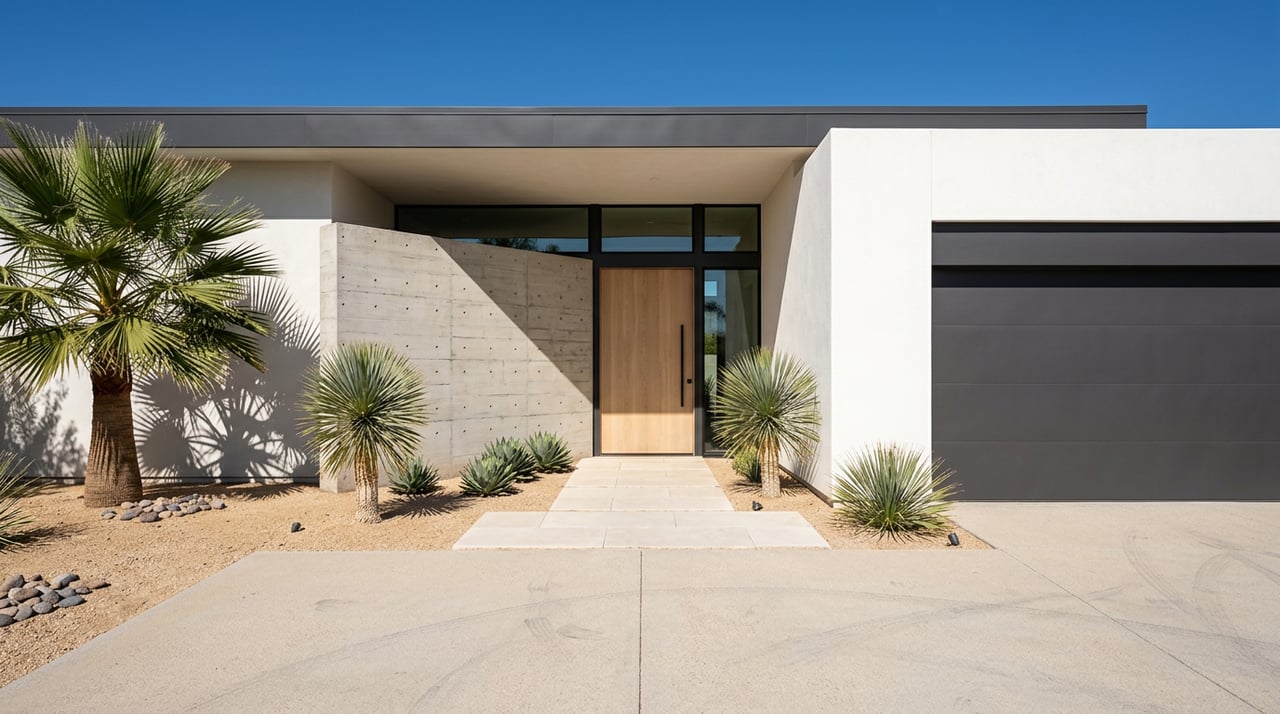
Custom homes on larger lots with pool, spa, and outdoor rooms are their own set. Focus on architectural quality, site orientation, and privacy. Design pedigree and cohesive materials can support a premium.
Old La Quinta and nearby non-golf gated areas trade on walkability and boutique appeal. Match comps by proximity, lot type, and outdoor living quality rather than trying to force golf community data.
Luxury demand in La Quinta is seasonal, especially among second-home buyers. You will see more out-of-town activity from late fall through early spring. Align your launch with the buyer you need to reach.
A strong price is a narrative supported by data. Use these line items to structure your analysis and your agent’s CMA.
Start with recent closed sales within your same community whenever possible. If inventory is thin, use nearby communities with similar product and adjust for membership rules, amenities, and security level. In a moving market, use active and pending listings to sense direction.
Mountain, fairway, and water-feature views drive value in La Quinta. Premium views often command a meaningful uplift relative to interior lots, depending on scarcity and quality. If your street or club lacks recent like-kind view comps, treat the premium carefully and document the justification.
True custom architecture, cohesive finishes, and high-end systems support price. Designer-level renovations with permits and documentation carry more weight than cosmetic refreshes. Unpermitted work usually forces a discount to offset risk and remediation.
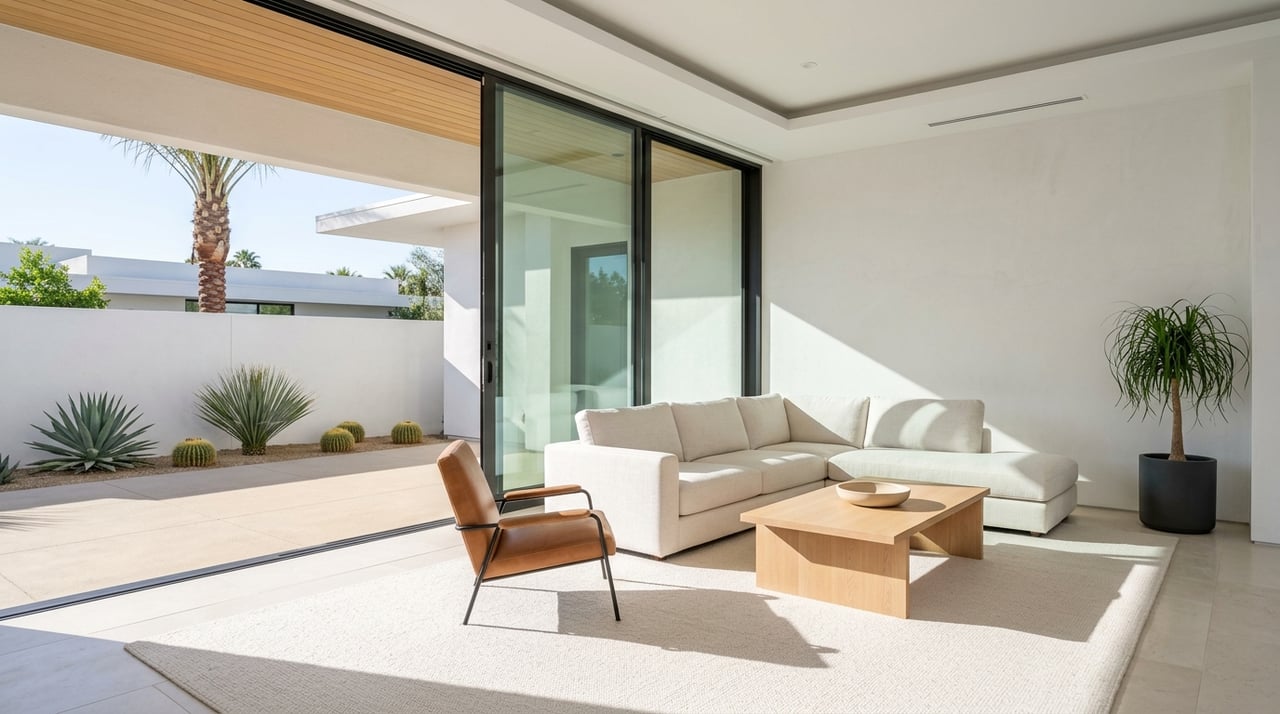
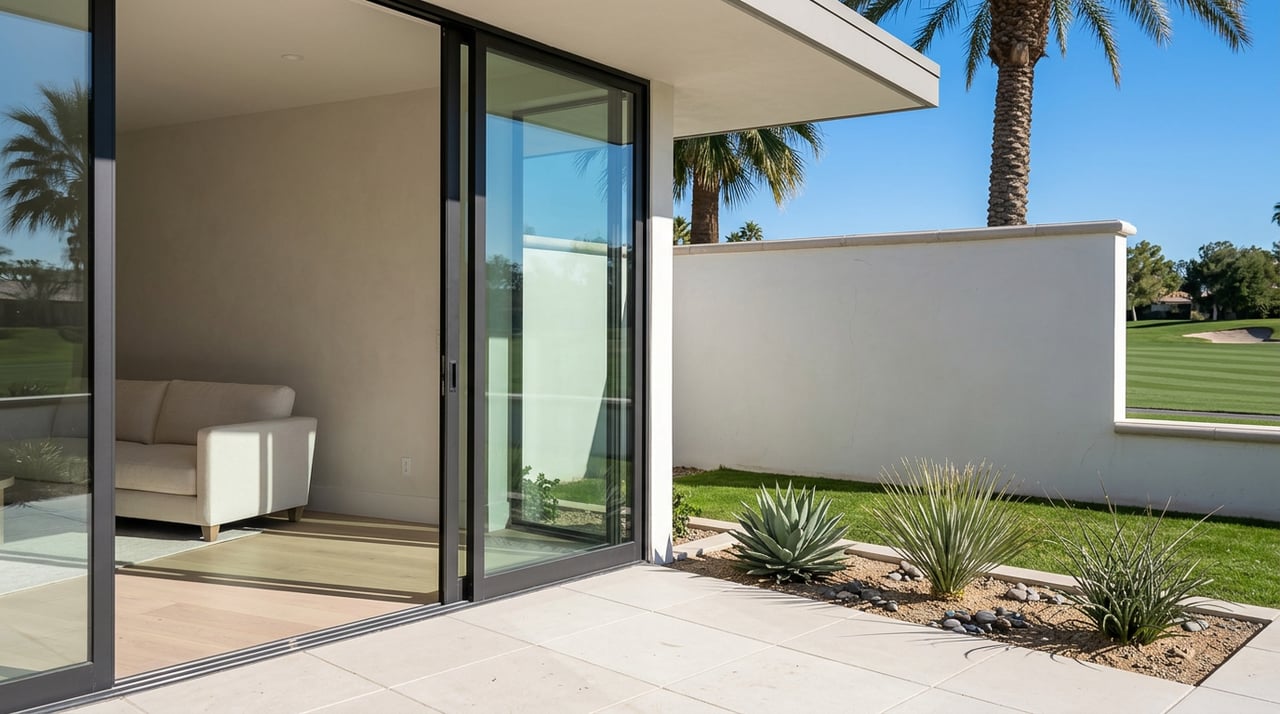
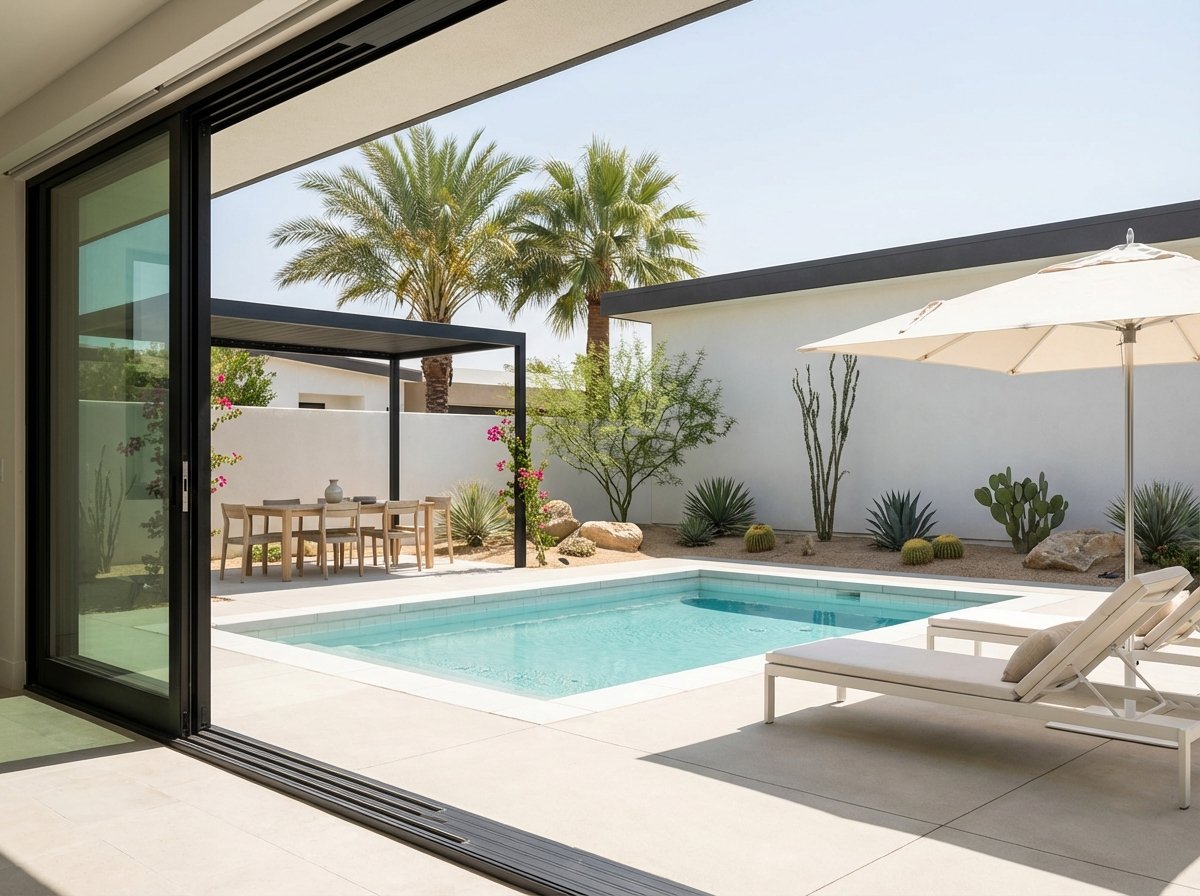
Larger or better-positioned lots, indoor-outdoor flow, and protected mountain vistas all add appeal. Buyers respond to usable outdoor rooms and light quality at key hours.
HOA dues, mandatory memberships, initiation and transfer fees affect the buyer pool and net price. Be explicit about what fees include and how transfers work. Some buyers will negotiate credits for these items.
Note inventory in your micro-market, interest-rate sensitivity for financed buyers, and time-on-market in recent comps. Limited supply can support a premium when paired with strong presentation.
Select a strategy that matches your property and the current demand.
Psychological thresholds are less critical in the luxury tier than in mid-market segments. Focus on a price that your comp story can defend.
In the luxury segment, presentation is non-negotiable. Buyers expect a polished, turnkey experience.
High-end listings bring specific contract dynamics. Prepare your terms as carefully as your price.
Expect inspection, appraisal, and financing contingencies. Luxury appraisals can lag when comps are thin, so have an appraisal-gap plan. Consider buyers who can bridge a shortfall or who bring strong local comp justification.
Cash or well-qualified buyers often push for shorter timelines and may request inclusions like furniture or equipment. Finance-dependent buyers add appraisal risk, so verify pre-approval or proof of funds early.
Decide in advance how initiation and transfer fees will be handled. This is a frequent negotiation point and can be used as a concession lever.
Closing timing, occupancy, possession, and credits for specific repairs are practical levers. Tailor these to reduce friction and protect net proceeds.
Your agent should prepare a comp grid, amenity adjustments, and a photo-rich package to support price and to respond if an appraisal comes in low. A clear narrative aligned to your micro-market helps keep the deal on track.
Use this checklist to finalize your list price with confidence.
Documents and data
Pricing analytics
Pre-list improvements
When you align micro-market comps, premium features, fee structures, and seasonality with curated presentation, you price from a position of strength. If you want a quiet, strategic process supported by legal-savvy negotiation and design-forward marketing, we can help you set the right number and defend it through closing. For a confidential plan tailored to your community and buyer profile, connect with Robert Andrew Millar & Associates.
Stay up to date on the latest real estate trends.
The team is a leader with extensive experience advising executives and other high-profile clients regarding complex legal transactions.