Selling A Home Inside La Quinta Country Club: What To Expect
April 23, 2026
April 23, 2026
If you are thinking about selling inside La Quinta Country Club, you are not just listing a home. You are positioning a property within one of La Quinta’s most established private club settings, where access, views, condition, and paperwork can all shape the outcome. If you understand what buyers are really comparing and prepare early, you can move through the process with more control and fewer surprises. Let’s dive in.
La Quinta Country Club is a private, member-owned club with a long-established presence in La Quinta. According to the club, it offers golf, fitness, pickleball, dining, wellness, social programming, and a clubhouse of more than 35,000 square feet, and it notes that membership and homeownership are separate. That distinction matters from the start because a home sale does not automatically transfer club privileges or golf access. You can review the club’s membership overview on the La Quinta Country Club website.
The broader campus also has historical depth that affects how homes are perceived. The City of La Quinta historic survey notes that the larger La Quinta Country Club area evolved into eight distinct neighborhoods, including La Quinta Golf Estates, Club La Quinta, La Quinta Fairways, Villas of La Quinta, Country Club Estates, Hacienda La Quinta, Montero Estates, and Lago La Quinta. Much of the surrounding housing stock dates to the 1960s and 1970s, which means buyers often weigh architecture, updates, and preservation very carefully.
Recent market data points to a balanced to softly competitive environment. Realtor.com market data for La Quinta reported the city as a balanced market, with homes selling about 3.47% below asking on average and a 97% sale-to-list ratio. The same research set also notes that homes in the 92253 ZIP have recently taken time to go pending, which supports a strategy based on precision rather than overpricing.
For you as a seller, that usually means buyers have room to compare options. They are likely looking closely at exact location within the community, the quality of the view corridor, the condition of the home, and how cleanly the disclosure package is prepared. In a market like this, thoughtful positioning often matters more than broad luxury language.
The likely buyer pool inside La Quinta Country Club is not limited to golfers. Based on the club’s published amenity mix, buyers may be drawn to golf, social membership options, fitness, pickleball, dining, wellness, and the overall convenience of a private club setting. Many will be looking for a second home, seasonal residence, or a low-friction desert property with strong lifestyle appeal.
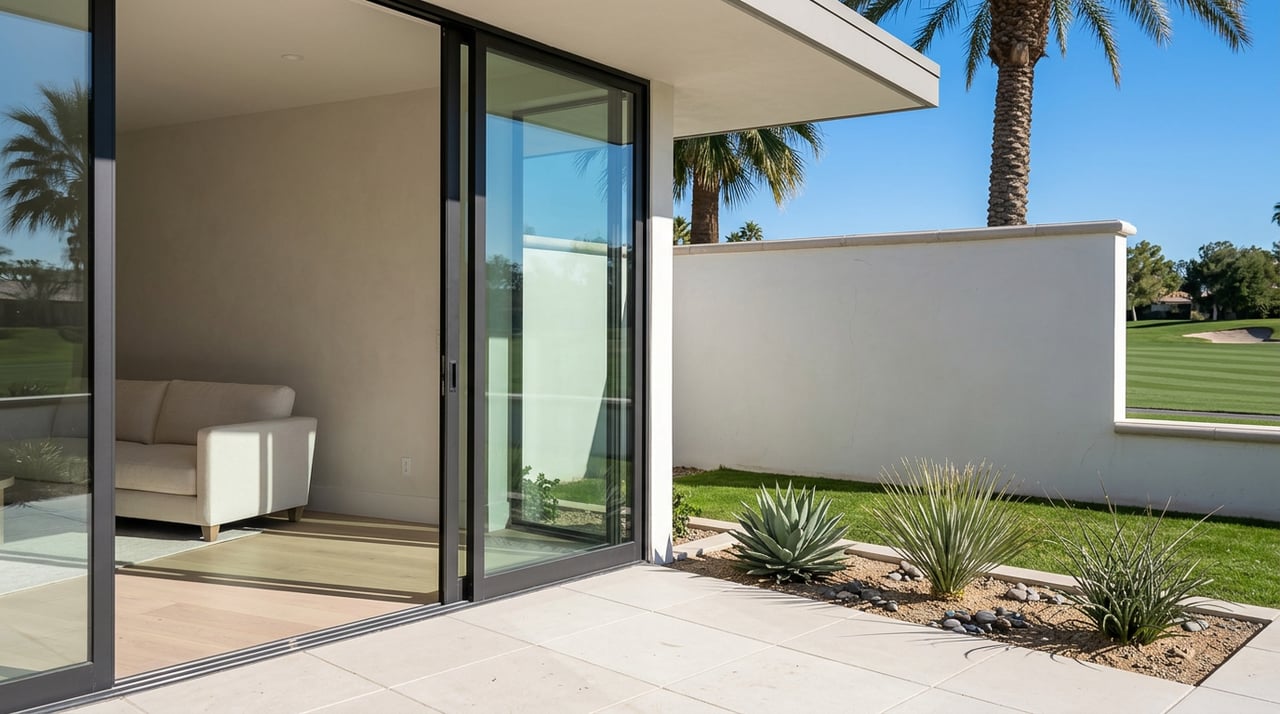
That matters because your marketing should speak to how the home lives, not just how large it is. Buyers may respond to privacy, orientation, indoor-outdoor flow, lock-and-leave ease, and how close the home feels to the amenities they value. If the property has architectural character or a meaningful renovation story, that can also be part of the value conversation.
One of the biggest mistakes sellers can make is treating all course-related homes as equal. Research cited in the Journal of Park and Recreation Administration suggests golf-related value is not one-size-fits-all, and premiums can vary significantly depending on actual frontage, view quality, and exclusivity of the setting. In a private club environment like this one, direct fairway, water, and clubhouse views may need to be analyzed separately from interior or near-course locations.
In practical terms, your asking price should reflect the property’s exact relationship to the course, not just its address inside the enclave. A home with direct frontage and a clean view corridor may compete in a different lane than a home that is merely nearby. Orientation, privacy, outdoor exposure, and visual impact all shape how buyers judge value.
Because many homes in and around the club trace back to the 1960s and 1970s, condition is often a central part of pricing. The city’s historic survey confirms that much of the housing stock in the area dates to that era, including Villas of La Quinta, which was completed in 1969. That means buyers may compare original-condition homes very differently from homes with updated systems, contemporary finishes, and move-in-ready presentation.
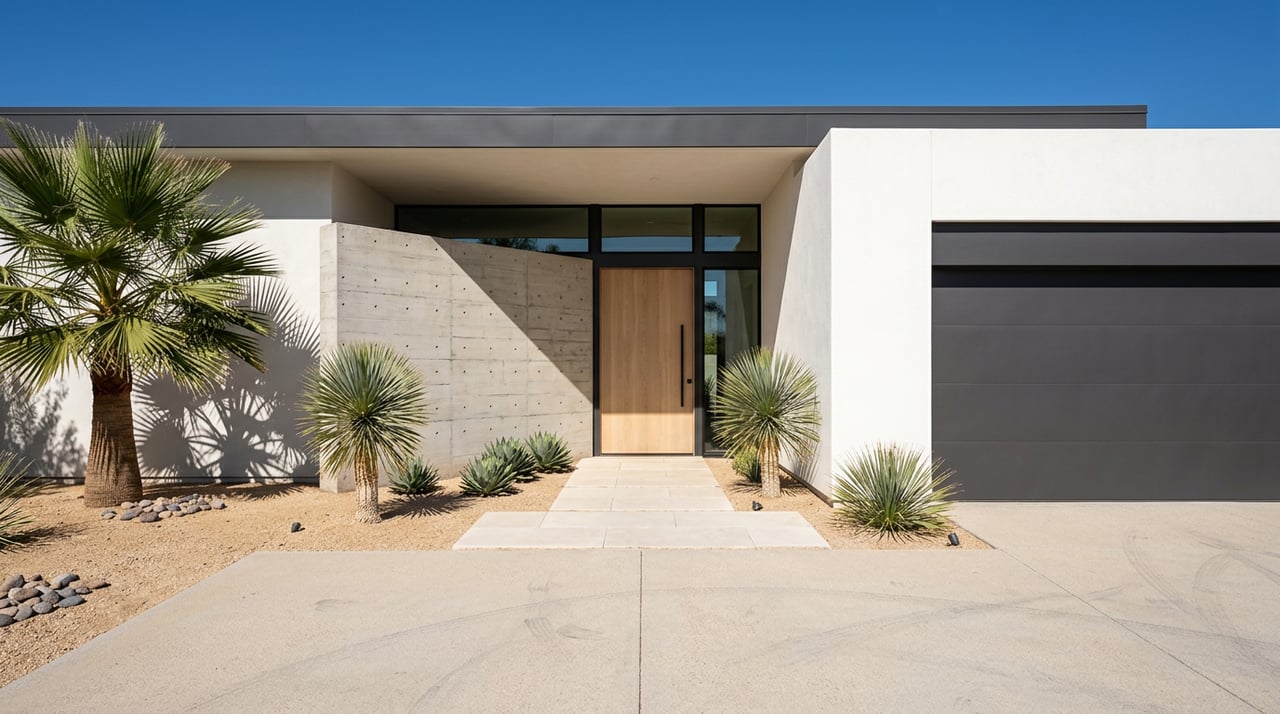
If your home has been renovated, the details matter. Buyers will often notice whether updates feel cohesive, whether glazing and lighting support the architecture, and whether kitchens, baths, flooring, and mechanical systems align with current expectations. If the home is largely original, pricing should account for the buyer’s likely renovation budget and tolerance for project work.
Selling inside a gated country club setting usually calls for a more controlled showing plan than a standard neighborhood listing. Access points, gate procedures, and the private-club environment naturally make casual drop-ins less practical. This is one reason sellers often benefit from a showing strategy built around advance coordination, visitor pre-clearance, and carefully timed appointments.
That same structure also supports discretion. You may need to plan ahead for photographers, inspectors, appraisers, contractors, and staging vendors, especially when access instructions vary by gate or by neighborhood. It is also important to separate residential showing access from club access, since the club makes clear that homeownership and membership are independent on its membership page.
This point deserves special attention. If you are selling a home inside La Quinta Country Club, you should avoid language that implies a buyer automatically receives golf or club privileges with the purchase. The club states that membership and homeownership are separate, so any representation about amenities should be accurate and limited to what is actually verified.
A better approach is to describe the property’s relationship to the club environment factually. You can highlight proximity, views, or the broader appeal of living within the enclave, while making it clear that buyers should confirm membership opportunities directly with the club. That protects both your credibility and the transaction.
For many sellers, the most important behind-the-scenes task is getting the document package moving as early as possible. Under California Civil Code Section 4525, a common-interest-development resale package can include governing documents, assessment and fee information, unpaid amounts, unresolved violation notices, rental restriction language, board minutes if requested, and the most recent HOA inspection report. This is not paperwork to leave until the last minute.
California Civil Code Section 4530 also requires the HOA to provide requested documents within 10 days of a written request and limits what may be charged and bundled. If your home sits within one of the campus’s sub-associations, it is smart to confirm the exact HOA, management company, dues schedule, and any leasing restrictions early. That can help reduce delays once you are in escrow.
In addition to HOA documents, California transfer disclosures can involve location-specific hazard information. California Civil Code Section 1103 addresses disclosure requirements tied to conditions such as FEMA special flood hazard areas, earthquake fault zones, seismic hazard zones, very high fire hazard severity zones, or state responsibility area and wildland fire zones when statutory conditions are met.
For you, the takeaway is simple: verify the property’s exact disclosure profile early rather than assuming the same answer applies to every home in the community. Since La Quinta Country Club includes multiple neighborhoods and association structures, parcel-level details matter. Early review often makes for a steadier escrow.
The strongest sales inside La Quinta Country Club are usually built on specificity. Buyers here often respond to clear pricing logic, polished presentation, and accurate storytelling about the home’s position within the enclave. They also tend to notice when a listing respects the property’s architecture instead of flattening it into generic resort marketing.
That is especially true for homes with mid-century roots, meaningful renovations, or a standout indoor-outdoor setting. Strategic preparation may include refining finishes, clarifying the property’s view advantages, tightening disclosure readiness, and launching with a controlled showing plan that fits the setting. When done well, that approach can support stronger buyer confidence and better negotiation leverage.
If you are weighing a sale inside this community, a measured, confidential strategy can make a meaningful difference. Robert Andrew Millar & Associates offers design-aware, discreet guidance for sellers navigating country club and guard-gated transactions in La Quinta. If you want a more precise view of how your home may be positioned in today’s market, schedule a confidential consultation.
Stay up to date on the latest real estate trends.



The team is a leader with extensive experience advising executives and other high-profile clients regarding complex legal transactions.